
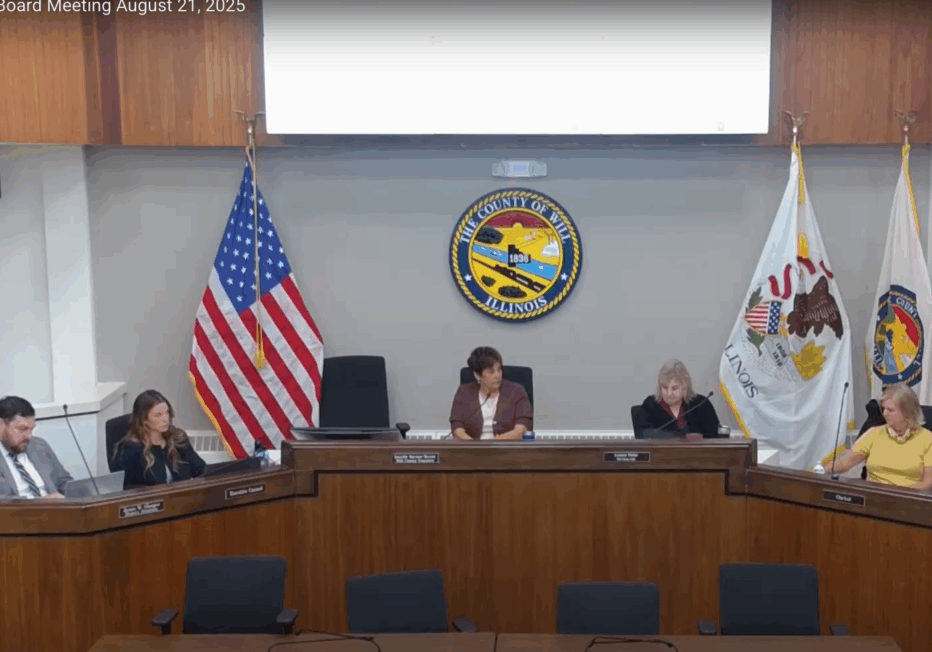
Will County Board Formally Opposes Heavier, Longer Trucks on National Roadways
Article Summary: The Will County Board unanimously passed a resolution opposing any federal legislation that would increase the size and weight limits for commercial trucks on the nation’s roadways. The resolution cites significant risks to public safety and accelerated damage to local and state infrastructure not designed for such vehicles.
Truck Size and Weight Legislation Key Points:
-
Opposition: The board opposes federal proposals to authorize 91,000-pound trucks and longer “Double 33s” double-trailer combinations.
-
Safety Concerns: The resolution states that larger trucks require longer stopping distances, have reduced maneuverability, and increase the severity of crashes.
-
Infrastructure Impact: The board argues that local roads and bridges were not designed for such oversized vehicles, which would accelerate wear and tear, leading to costly repairs.
JOLIET, IL – Citing concerns over public safety and the integrity of local infrastructure, the Will County Board on Thursday unanimously approved a resolution formally opposing federal proposals to allow bigger and heavier trucks on the nation’s roads.
The resolution, which passed without discussion as part of the Legislative Committee’s consent agenda, targets potential federal legislation that would authorize 91,000-pound trucks and longer double-trailer combinations, known as “Double 33s,” to operate more widely.
The board’s resolution argues that “heavier and longer trucks pose increased risks to public safety, as they require longer stopping distances, reduce maneuverability, and increase the severity of crashes, particularly on non-interstate roadways.”
Will County, a major logistics and freight hub, experiences heavy truck traffic, and the resolution emphasizes that its local and state infrastructure was not designed to handle the stress of such oversized vehicles. The document warns that allowing these trucks would “significantly accelerate wear and tear and lead to costly repairs and structural failures.”
Furthermore, the board stated that increasing truck size and weight limits would shift “hidden costs of freight transport—including infrastructure damage, public safety response, and environmental impact—onto local governments and taxpayers.”
The resolution aligns Will County with the Coalition Against Bigger Trucks (CABT), a national group of law enforcement officials, emergency responders, and safety advocates who have expressed opposition to the proposals. The county’s resolution notes that these groups have cited “documented risks and insufficient data on safety or infrastructure impacts” related to allowing larger trucks.
The approved resolution formally states that the Will County Board “opposes any federal legislation that would authorize heavier or longer trucks… on the nation’s roadways without a full and independent safety and infrastructure assessment.”
Copies of the resolution will be forwarded to the Will County Congressional Delegation, the Illinois Department of Transportation, and the National Association of Counties (NACo) to officially register the county’s position.



Showers And Thunderstorms Likely
Latest News Stories

Illinois Quick Hits: Loyola student’s alleged killer faces federal firearm charge
Will County Kicks Off Comprehensive Land Resource Management Plan Update with Focus on Proactive Zoning and Environmental Justice
Infighting and Calls for Resignation Disrupt Will County Board Meeting

Lincoln-Way 210 Awards $1.98 Million Contract for Network Cabling Upgrades
Will County Land Use Committee Splits Votes on Massive Earthrise Solar Projects Amid Intense Public Opposition

Report: Coordinated resilience infrastructure is needed in age of AI

U.S., NATO alliance on the line as Trump set to meet with Rutte

BREAKING: Trump fires Bondi, Blanche to lead DOJ
States sue Trump administration over rollback of some air pollution regulations
Energy affordability report ranks Illinois 31st, warns of ‘burdensome’ mandates

Illinois voices weigh in on birthright citizenship case

U.S. rep.: Mexico still not delivering water to South Texas, despite claims

Supporters say will storage option would streamline judicial process