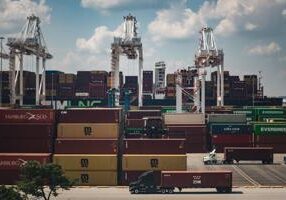
CBO says tariffs could raise $4 trillion over next decade, raise prices
The Congressional Budget Office’s estimated that President Donald Trump’s tariffs could bring in $4 trillion over the next decade, but will raise consumer prices and reduce the purchasing power of U.S. families.
The most recent estimate includes changes to tariffs through Aug. 19 that CBO Director Phillip Swagel said reduce total deficits by $4 trillion altogether over the next decade. Tariff revenue also is expected reduce the need for federal borrowing and cut spending on interest by $700 billion.
The CBO report includes a caveat: “The estimates are subject to significant uncertainty, largely owing to questions about timing, possible exceptions, and a lack of precedents.”
The CBO said it estimated that the effective tariff rate for goods imported into the U.S. increased by about 18 percentage points when measured against 2024 trade flows.
That could mean more inflation and higher prices for consumers and businesses.
“The increases in tariffs will make consumer goods and capital goods (the physical assets that businesses use to produce goods and services) more expensive, which will reduce the purchasing power of U.S. consumers and businesses,” according to the CBO report. “Those increases in costs will put temporary upward pressure on inflation.”
Since retaking office, Trump has hit nearly every nation with new tariffs and is working to reshape global trade to give American companies homefield advantage. But it could cost U.S. consumers.
The White House has said that foreign nations and businesses will pay the tariffs, not American consumers.
Last month, the Federal Reserve’s latest anecdotal “beige book” survey found that businesses across the country reported passing the cost of tariffs on to U.S. consumers.
Economists, businesses and some publicly traded companies have warned that tariffs could raise prices on a wide range of consumer products throughout the U.S.
Trump has said he wants to use tariffs to restore manufacturing jobs lost to lower-wage countries in decades past, shift the tax burden away from U.S. families, and pay down the national debt.
A tariff is a tax on imported goods that the importer pays, not the producer. The importer pays the cost of the duties directly to U.S. Customs and Border Protection, a federal agency.





Mostly Sunny then Slight Chance Showers And Thunderstorms
Latest News Stories

Key races across U.S., redistricting at stake as voters head to polls Tuesday

Mokena Village Board Approves Two Public Works Appointments

Nigeria leaders deny Christian genocide, UN attributes violence to ‘climate change’

Congressional Perks: House members, staff get daycare, on-call doctor
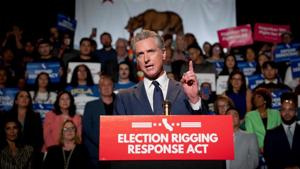
California leaders hope for high voter turnout for Prop. 50
Voters to decide two statewide measures, nearly 100 local proposals

WATCH: Coalition sues to protect student loan forgiveness
Judge: SCOTUS ruling doesn’t necessarily end block on Trump DEI orders
WATCH: California attorney general talks about Prop. 50

Illinois quick hits: Man charged with threatening Trump; judge grants injunction in shelter funding case

WATCH: IL GOP Rep: Sanctuary expansion bill may expose many to civil lawsuits

Senators introduce legislation to codify Antifa terror designation