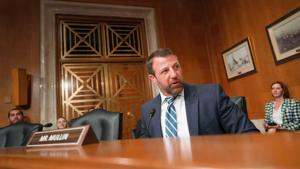

HHS, Department of Education announce nutrition reforms
The U.S. Department of Health and Human Services, along with the U.S. Department of Education, announced this week an initiative urging medical education organizations to implement extensive nutrition education and training.
Each year, 1 million Americans die from diet-related diseases, even though the U.S. spends over $4 trillion annually on chronic disease and mental care, an HHS press release states.
“Although all medical schools claim to include nutrition in their curricula, most medical students report receiving no formal nutrition education throughout their entire training,” Health and Human Services Secretary Robert F. Kennedy Jr. said in a statement.
The HHS is calling for reform of nutrition education across the medical education industry. The department believes there is a critical gap in health care training, and these reforms are designed to ensure that future and current doctors possess the essential knowledge to provide nutritional guidance to all patients.
According to Kennedy, only 15% of doctors say that they feel competent to give nutrition advice.
“We demand immediate, measurable reforms to embed nutrition education across every stage of medical training, hold institutions accountable for progress, and equip every future physician with the tools to prevent disease — not just treat it,” said Kennedy.
To fix these problems, the HHS and the U.S. Department of Education are urging that there be nutrition education requirements embedded across six critical areas: Pre-Medical Standards, Medical School Curricula Integration, Medical Licensing Examination, Residency Requirements, Board Certification and Continuing Education, according to the HHS press release.
This initiative precedes the upcoming 2025 Dietary Guidelines for Americans, which is a part of the Trump administration’s greater effort to Make America Healthy Again.
Medical professionals also recognize the importance of nutritional education.
“Medical schools understand the critical role that nutrition plays in preventing, managing, and treating chronic health conditions, and incorporate significant nutrition education across their required curricula,” Dr. Alison Whelan, chief academic officer at the Association of American Medical Colleges, based in Washington, D.C., said in a statement. “Through integrated education experiences, future physicians learn how to recognize the impact of diet on health and to apply evidence-based nutritional strategies in patient care.”
U.S. Secretary of Education Linda McMahon shared her support of this initiative to further benefit medical education and the health of all students.
“U.S. medical education has not kept up with the overwhelming research on the role of nutrition in preventing and treating chronic diseases,” said McMahon. “Medical schools across the country must act now to align their training with the latest research so that future physicians have the means to best help their patients stay healthy. The U.S. Department of Education is proud to stand with HHS in working to lower chronic disease rates, especially in children.”
American medical education organizations are to submit written plans detailing the scope, timeline, standards alignment, measurable milestones, and accountability measures of their nutrition education commitments by Sept. 10, HHS said.






Mostly Sunny
Latest News Stories

Costar shareholders re-elect directors, resist external pressure

Trump accuses Iran of violating ceasefire after drone attack on cargo ship

Legislature takes more measures against firms opposing redomiciling in Texas

Mistrial declared in federal Palisades Fire arson case

Ex-cops blast Chicago mayor’s new agency

Illinois Quick Hits: Chicago reports increased visitor spending

Poll: Voters give Trump worse marks on economy than job overall

Two Democrats seek GOP congressman’s seat in Colorado

WATCH: Report says more U.S. families are saving for college

Illinois to see 4 new consumer protection laws enacted

EXCLUSIVE: Report warns about costly regulations’ impact on short-term rentals
One in five calls answered on IRS identity theft line, watchdog says