
Supreme Court allows ICE to factor race, workplace into L.A. raids
The U.S. Supreme Court ruled Monday to temporarily allow U.S. Immigration and Customs Enforcement officers to use race, native language and place of work to partly justify immigration raids.
The court’s conservative majority granted the administration’s emergency application for a stay on a lower court’s decision, with its three liberal justices dissenting. Though the order was reportedly brief and unsigned, Justice Brett Kavanaugh wrote a concurring opinion.
“Immigration officers ‘may briefly detain’ an individual ‘for questioning’ if they have ‘a reasonable suspicion, based on specific articulable facts, that the person being questioned … is an alien illegally in the United States,’” Kavanaugh wrote. “The reasonable suspicion inquiry turns on the ‘totality of the particular circumstances.’”
Kavanaugh was responding to U.S. District Judge Maame Frimpong’s order that prohibited ICE officials from using several factors to form reasonable suspicion.
“Defendants may not rely solely on the factors … alone or in combination of” a person’s race or ethnicity, their spoken language or accent, their place of work or their location, according to Frimpong.
While the administration cannot base an immigration stop on someone’s race alone, Kavanaugh said it could, along with other factors, provide a reasonable suspicion, especially since the legal bar for reasonable suspicion is lower than it is for probable cause.
“Reasonable suspicion is a lesser requirement than probable cause and ‘considerably short’ of the preponderance of the evidence standard,” Kavanaugh continued.
The case is currently before the 9th U.S. Circuit Court of Appeals.



Mostly Sunny
Latest News Stories
Oppenheimer’s grandson supports nuclear energy bill
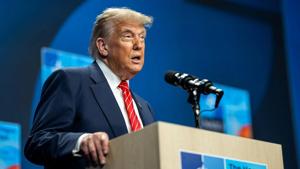
Trump expresses frustration with NATO as Rutte praises the president
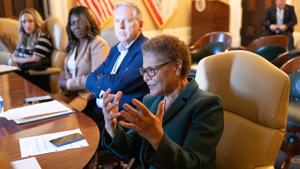
Ex-fire chief sues Los Angeles mayor for defamation
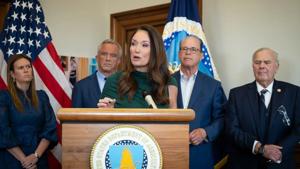
Over $10 billion U.S. taxpayer dollars spent on improper SNAP payments in 2025

Teachers unions call for special session, more money

Illinois Quick Hits: Bond, TIF money helps fund Chicago neighborhood grants
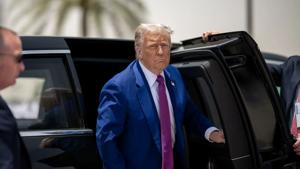
Trump won’t sign bipartisan housing bill, reignites voter ID debate

Poll: Two thirds say gas prices will shape their November vote

Pritzker approves law sealing reproductive medical records past state lines

Attorney general candidates see drought, Trump as issues
Trump dispels Iran rumors, calls out Senate for approval of War Powers Act

Data centers can benefit taxpayers, group says