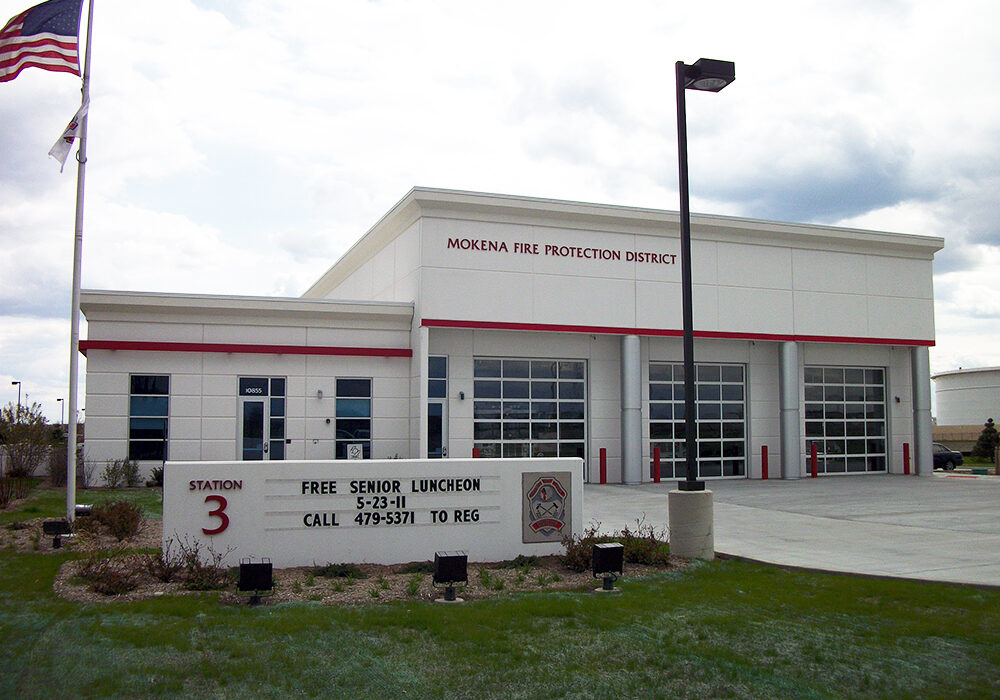
Mokena Fire District Adds New Ambulance, Addresses $18,000 in Fleet Repairs
Mokena Fire Protection District Meeting | August 2025
Article Summary: The Mokena Fire Protection District is preparing to put a new ambulance into service by the end of August after completing its final inspection. At the same meeting, the Board of Trustees approved a final payment for the vehicle that included approximately $9,000 in overruns and addressed nearly $9,000 in additional repairs for two other front-line fire apparatus.
Mokena Fire District Fleet Report Key Points:
-
A new 2025 Freightliner remounted ambulance passed final inspection and is being prepared for service.
-
The board approved a final payment for the ambulance remount that was about $9,000 over budget due to additional required work.
-
Trustees were informed of approximately $7,000 in repairs needed for Truck 92, which has a cracked cylinder head causing coolant consumption.
-
Engine 92 recently underwent a $1,775 repair for a faulty pump shift actuator and is now back in service.
The Mokena Fire Protection District Board of Trustees on Tuesday, August 12, 2025, approved the final payment for a new ambulance, which is expected to be in service by the end of the month, while also confronting the ongoing costs of maintaining its emergency vehicle fleet.
Deputy Chief Rick Campbell reported that the district and Chandler Services completed the final inspection on a new 2025 Freightliner remounted ambulance on August 1. The EMS division is now stocking the vehicle as it awaits inspection by the Illinois Department of Public Health.
Following the report, the board approved the final payment for the ambulance remount. The payment included approximately $9,000 in overruns attributed to “additional work that was required and desired,” according to meeting documents. Trustee Craig Warning made the motion, seconded by Trustee Dennis Burkhardt, to approve the final balance, which passed unanimously.
In addition to the ambulance costs, Campbell detailed significant maintenance issues with two other key vehicles. Diagnostic testing on Truck 92, a Pierce fire truck, revealed a cracked cylinder head and a crack in the oil cooler tubes are causing the vehicle to consume coolant. The estimated cost for these repairs is approximately $7,000. Campbell added that Chandler Services is also evaluating corrosion on the truck and will provide an estimate for those repairs separately.
Engine 92, an HME engine based at Station 2, recently returned to service after repairs costing approximately $1,775. According to Campbell’s report, the engine had a faulty pump shift actuator that prevented it from engaging its pump mode.
The board also heard that all of the district’s self-contained breathing apparatus (SCBA) units passed their annual inspection and testing by Air One Equipment.
The series of repairs and the ambulance cost overrun highlight the significant investment required to keep the district’s fleet ready for emergency response. The new ambulance will update the district’s front-line resources, while the necessary repairs ensure the continued reliability of its existing fire apparatus. The board also unanimously approved paying the month’s bills, which totaled $266,968.36.

Showers And Thunderstorms then Mostly Cloudy
Latest News Stories
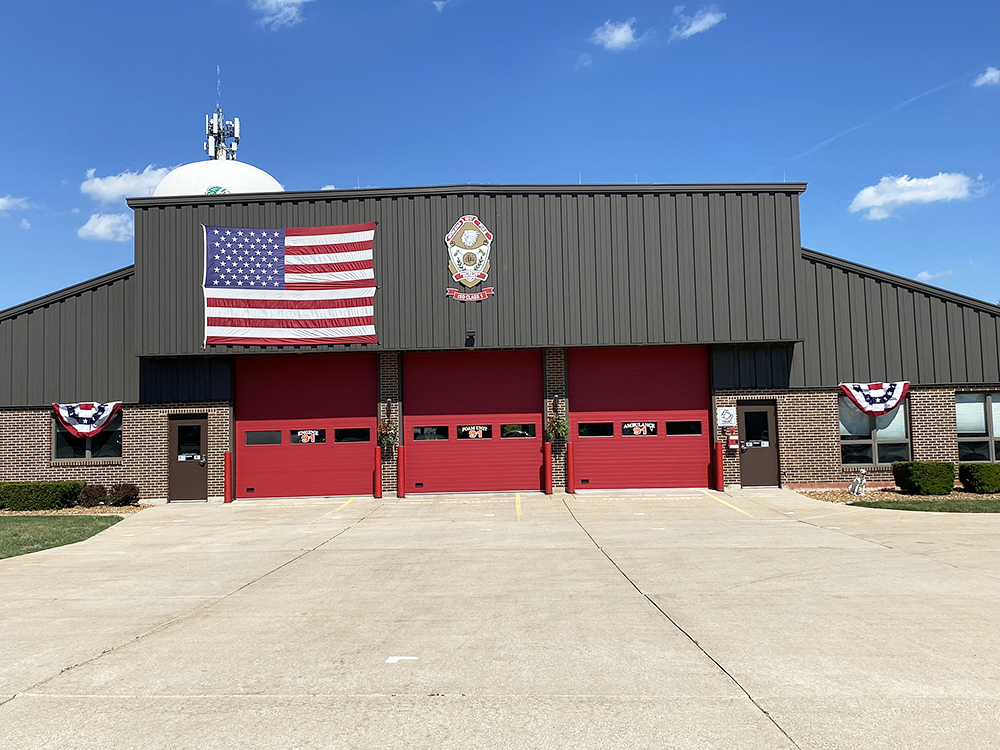
Mokena Fire Station 2 Slated for Bunk Room Renovations
Mokena Enacts New Regulations for E-Bikes, Scooters, and Golf Carts

Commission Approves Mokena-Area Garage Variance Over Village’s Objection
Will County Committee Advances Gougar Road Bridge Project with Over $540,000 in Agreements
JJC Receives Surprise $1.9 Million from IRS Employee Retention Credit
JJC Advances ERP Modernization with New Vendor and Two-Year Budget
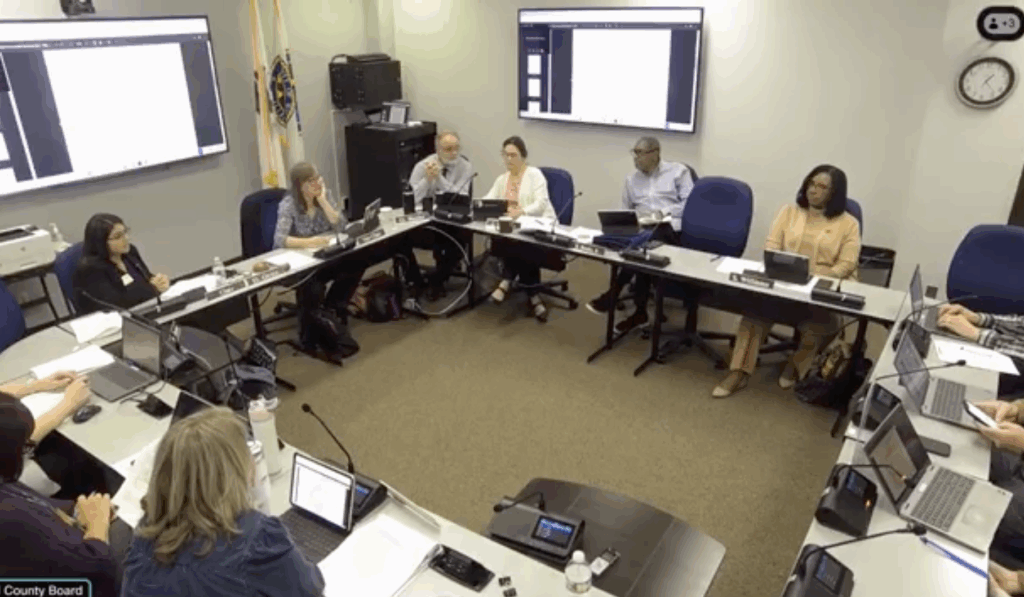
Will County Committee Shapes 2026 Legislative Agendas on Housing, Energy, and Health

Congressional Perks: Committees, caucuses cost $50 million since 2019
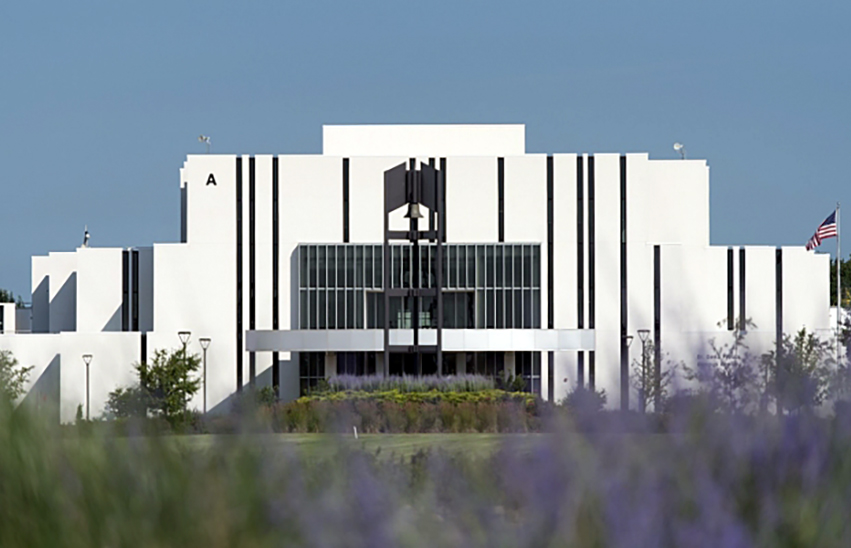
JJC Authorizes Land Buy for Grundy County Expansion, Secures Site in Morris
FAA funding problems hit airports in California, elsewhere
Judge bars ICE from acting against ‘protestors,’ ‘rapid response’ activists
Report: IL public schools show low academic proficiency, higher taxpayer funding