
U.S. consumers to pay 55% of tariff costs, Goldman Sachs says
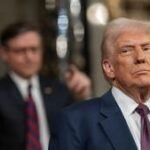
U.S. consumers will end up paying the bulk of the cost for President Donald Trump’s tariffs, according to a report from Goldman Sachs.
The report undercuts repeated claims from the White House that foreign nations will pay the costs of the new import duties.
Goldman Sachs economists said American consumers will pay 55% of tariff costs, U.S. businesses will pay 22% and foreign exporters will pay 18%.
Goldman Sachs economists said U.S. firms are expected to pass costs onto consumers in the coming months, according to media reports.
“At the moment, however, U.S. businesses are likely bearing a larger share of the costs because some tariffs have just gone into effect and it takes time to raise prices on consumers and negotiate lower import prices with foreign suppliers,” the Goldman Sachs note said.
The Trump administration has repeatedly said that foreign governments would pay the tariffs.
“The President and Administration’s position has always been clear: while Americans may face a transition period from tariffs upending a broken status quo that has put America Last, the cost of tariffs will ultimately be borne by foreign exporters,” White House Spokesman Kush Desai said. “Companies are already shifting and diversifying their supply chains in response to tariffs, including by onshoring production to the United States.”
The White also blamed high prices on former President Joe Biden.
“Americans can rest assured that the Administration will continue to deliver economic relief from Joe Biden’s inflation crisis while laying the groundwork for a long-term restoration of American Greatness,” Desai said
The White House has previously denied that tariffs would raise consumer prices or that American companies would bear the higher costs.
“The reality is the president has always maintained that Chinese producers will be absorbing the cost of these tariffs,” White House press secretary Karoline Leavitt said during a briefing in May. “The president is committed to ensuring that prices remain low for American consumers andhe maintains the position that foreign countries will absorb these tariffs.”
Trump has told businesses that he doesn’t want them to raise prices. He wants businesses to absorb the loss without passing on the higher prices to consumers.
Shortly after Walmart announced that it would raise prices throughout its stores in May, Trump told the world’s largest retailer to “eat it.”
Economists, businesses and some publicly traded companies have warned that tariffs could raise prices on a wide range of consumer products.
Trump has said he wants to use tariffs to restore manufacturing jobs lost to lower-wage countries in decades past, shift the tax burden away from U.S. families, and pay down the national debt.
A tariff is a tax on imported goods paid by the person or company that imports the goods. The importer can absorb the cost of the tariffs or try to pass the cost on to consumers through higher prices.





Chance Rain Showers then Mostly Sunny
Latest News Stories

Birthright citizenship advocates confident in SCOTUS hearing

College funding bill draws dissent from big Illinois universities
Illinois quick hits: Chicago announces $300 million housing spend; Rockford men faces cocaine trafficking charges; State to honor troopers killed in the ling of duty

Pentagon commits to tripling Patriot missile production at $4 million per
Supreme Court appears skeptical of Trump’s birthright citizenship order

Advocates urge stable tariff policy, protections against China
Illinois senators scrutinize diversity commission’s high salaries, poor performance
Trump demands second ‘big beautiful bill’ on his desk by June 1

JJC Board Approves Fall 2026 Course Fees Amid Debate Over Student Costs

ALEC: State regulations drive up electricity prices

Chicago mayor announces homelessness plan with unclear funding sources

Minnesota wins legal fight over tuition benefits for illegal immigrants