
After 50 years of struggles to save Spotted Owl, FWS plan is to kill 500k Barred Owls
The Spotted Owl is again in the headlines again.
U.S. Sen. John Kennedy, R-La., filed a resolution to reverse a Biden administration plan to kill nearly half a million North American Barred Owls in the Pacific Northwest.
The two-page resolution provides for congressional disapproval of a U.S. Fish and Wildlife Service rule that proposes killing roughly 453,000 Barred Owls in Washington, Oregon and California. The resolution, if passed, states the rule “shall have no force or effect.”
On Wednesday, the Senate rejected a motion to proceed to hear the resolution.
Estimates show the FWS rule will cost taxpayers $1.35 billion, Kennedy said. A $4.5 million contract was awarded in 2024 to kill roughly 1,500 Barred Owls over four years; roughly $3,000 per owl, including babies.
At issue is a Biden administration FWS “Barred Owl Management Strategy” to “address the threat of the non-native and invasive barred owl to native northern and California spotted owls.” The Barred Owl’s habitat is located in the eastern half of the United States, Pacific Northwest and parts of Canada.
Barred Owls are larger and more aggressive and produce more chicks than the Spotted Owl. Over the last century, they have been displacing the endangered Spotted Owl in the Pacific Northwest, disrupting their nesting, competing with them for food and interbreeding.
In order to save the Spotted Owl, the FWS has proposed “a large scale” annihilation of the Barred Owl. Under its Migratory Bird Treaty Act permit, the FWS “may designate interested Tribes, federal and state agencies, companies, or specific landowners” to kill the owls, it says. Public hunting of the owl is prohibited.
The FWS plan is not new, but a continuation of previous policy. From 2013 to 2016, 378 Barred Owls were killed in California, Oregon and Washington, according to Audubon.
The Spotted Owl was added to the Endangered Species List in 1973. For more than 50 years, federal agencies have attempted to implement measures to preserve its habitat in old growth forests. Over time, tensions escalated between the federal government over land preservation and residents reliant on timber jobs.
By 1992, landowners and timber companies sued the federal government. Three years later, the U.S. Supreme Court ruled Spotted Owl preservation laws could be applied to private land. Prior to the ruling, in 1993, then President Bill Clinton proposed the Northwest Forest Plan to save the Spotted Owl by reducing logging by roughly 25%. In response, timber workers held a mock funeral procession in downtown Portland, Oregon, and sent 70 funeral wreaths to the White House, the Seattle Times reported.
Thirty-two years later, the federal government continues to excel in failure, Kennedy argues.
The FWS’s plan to kill the Barred Owl was another example of “the federal government’s repeated proclivity to do the dumbest thing possible that won’t work,” he said.
Unless Congress stops the plan, hunters hired by the FWS will kill nearly half a million Barred Owls, Kennedy said.
“Who appointed them God?” Kennedy asked.
“Barred owls are expanding their habitat because the forests in the east have been cut down. That’s called adaptive range expansion. And do you know what? Whether you believe in God or nature or whatever, that happens every single day in our ecosystem. It’s a naturally occurring ecological phenomenon. It’s a core behavioral characteristic of animals,” Kennedy said.
“The barred owls are not hurting anybody. They’re just doing what nature teaches them to do. We’re going to change nature? We’re going to control our environment to this extent? We’re going to pass DEI for owls? We’re going to pass quotas for owls? Spotted owls, good. Barred owls, bad. But the barred owls won’t lose their constitutional rights. They will kill them. They will kill 453,000 of them, dead as Jimmy Hoffa. Give me a break.”
Kennedy also cited a FWS biologist who said trying “to control Barred Owls across a large region would be incredibly expensive, and you’d have to keep doing it forever because if you ever stopped, they would begin to come back into these areas.”
A similar sentiment was expressed by Audubon California’s director in 2016 who said killing the owls wouldn’t work over the long term. “Barred Owls are native species, too, and you’re never going to stem that tide,” she told Audubon California nearly 10 years ago. “You have to just make the habitat for the spotted owls the best you can. If you kill Barred Owls, another one is just going to come along. You cannot stop the Barred Owl.”





Showers And Thunderstorms
Latest News Stories

Net negative migration is harmful to the economy, economists say

Details pending on billions in foreign investments coming from trade deals
Will County Health Department Seeks $1 Million to Avert ‘Drastic’ Service Cuts from Expiring Grants
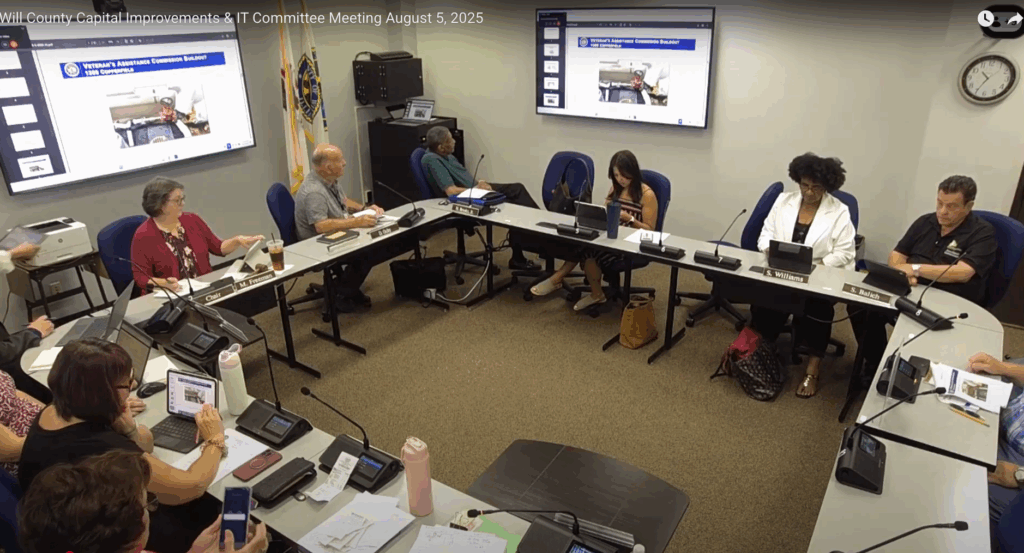
Will County’s “First-in-Nation” Veterans Center to House Workforce Services, Sparking Debate
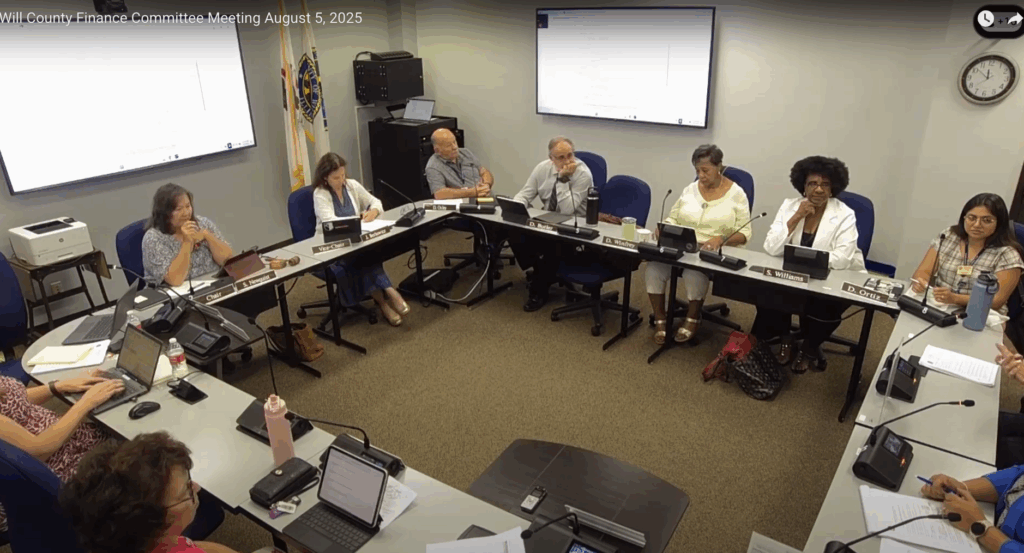
Improved Vendor Service Creates $1.2 Million Shortfall in Sheriff’s Medical Budget
Will County Public Works Committee Unveils 25-Year Transportation Plan, Projects $258 Million Gap
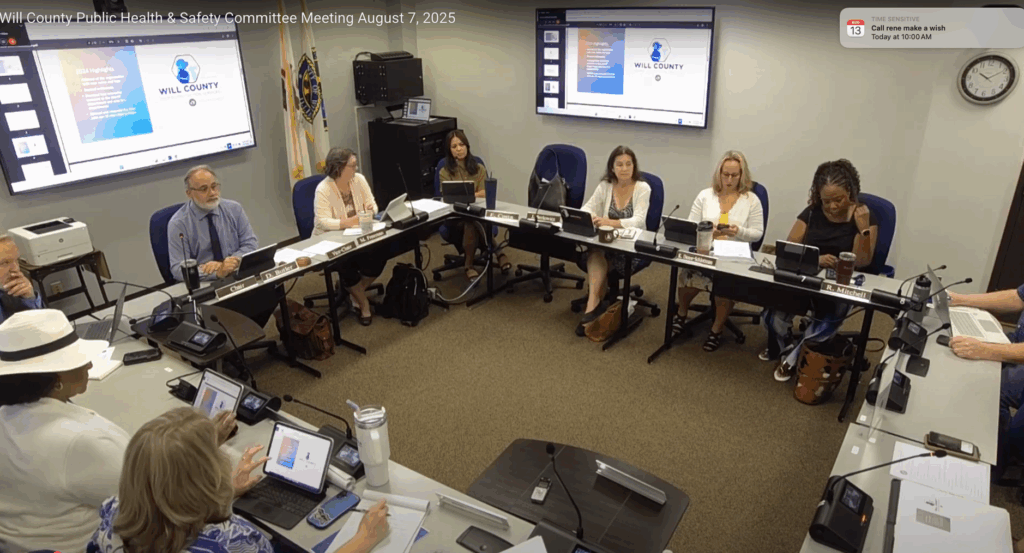
Will County Animal Protection Services Seeks New Facility Amid “Gaping Wound” of Space Crisis
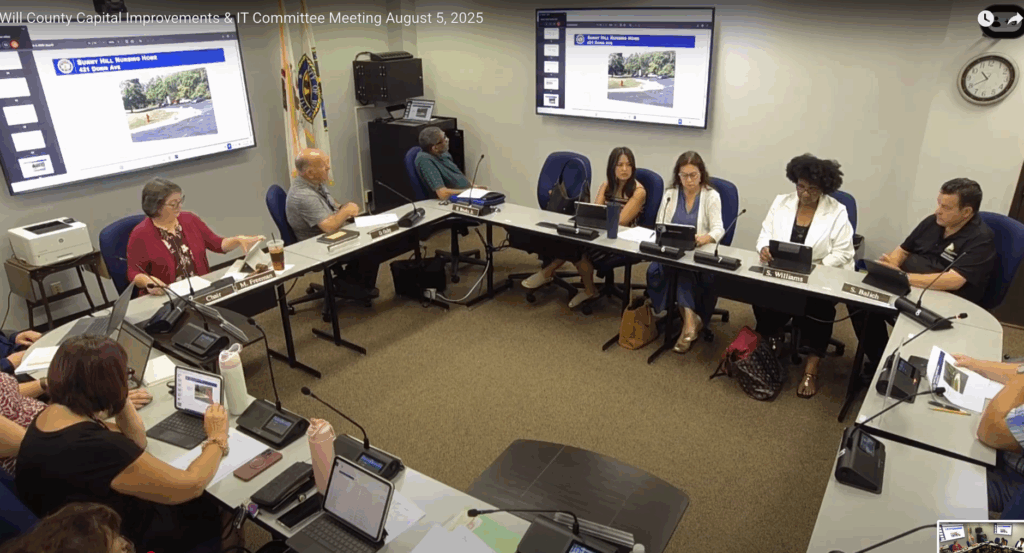
Board Confronts Animal Services Crowding, Explores Future Facility Options
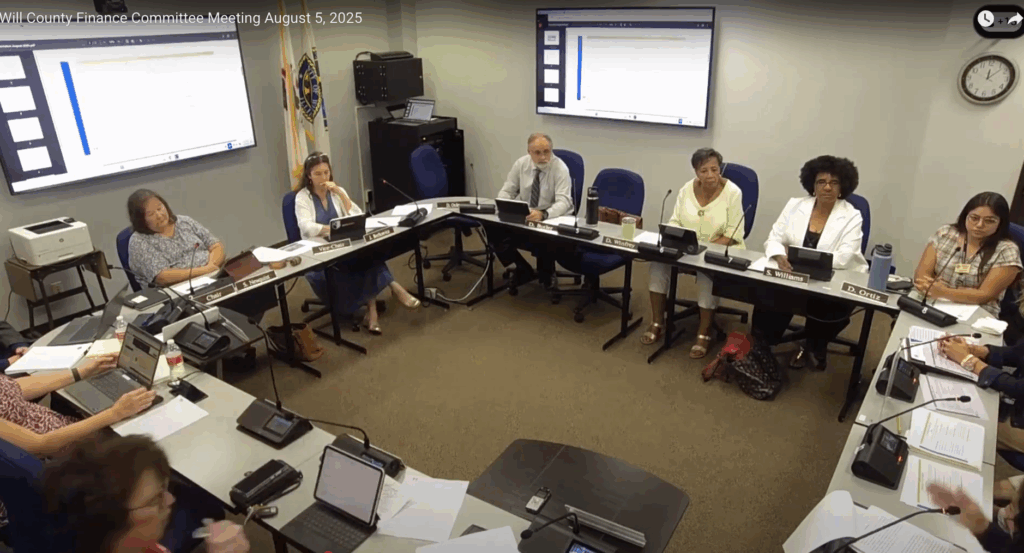
Will County Board Members Demand Transparency in Cannabis Tax Fund Allocation
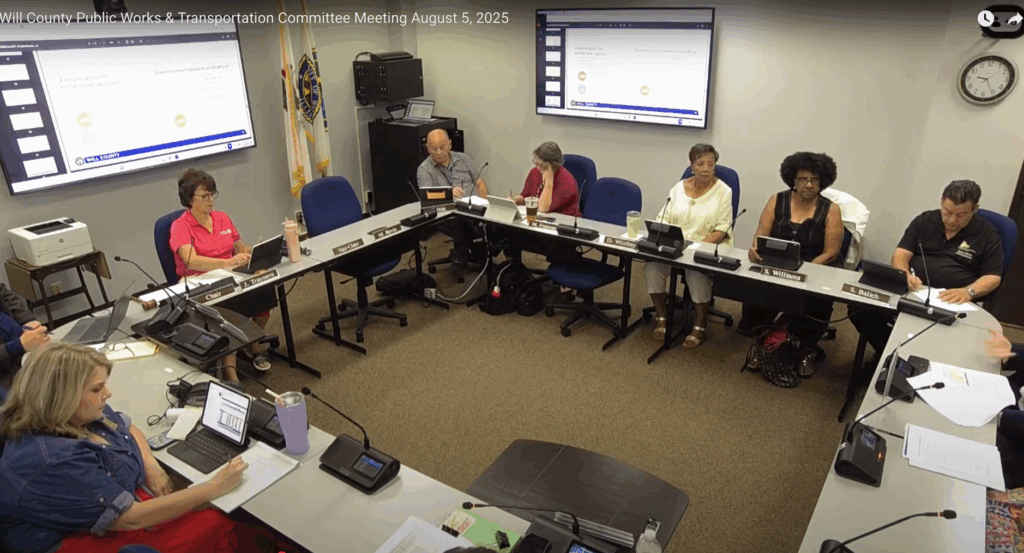
Homer Glenn Residents Push Back on 143rd Street Widening as Officials Signal “Tentative Agreement”
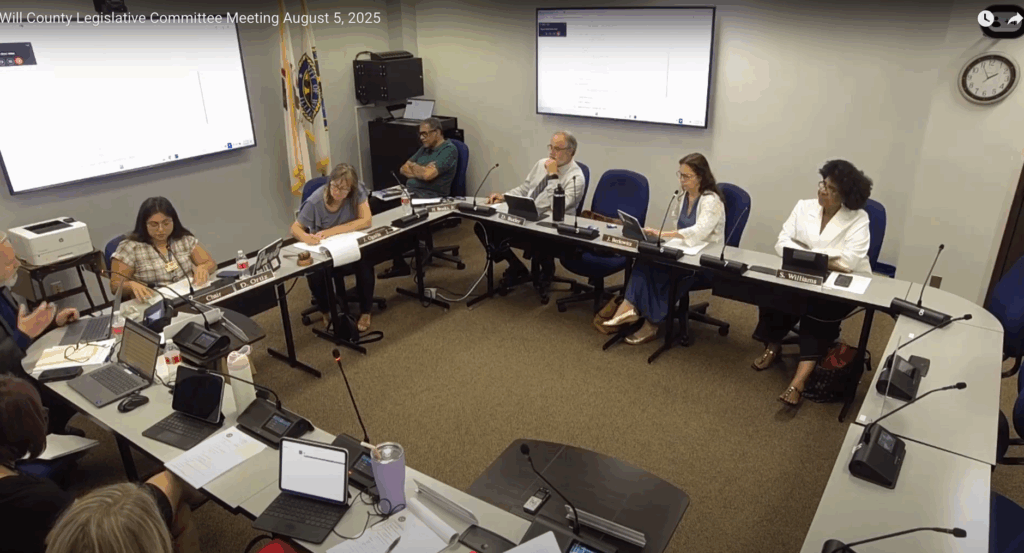
Will County Forges 2026 Federal Agenda Amid D.C. Policy Shifts, ‘Big Beautiful Bill’ Impacts
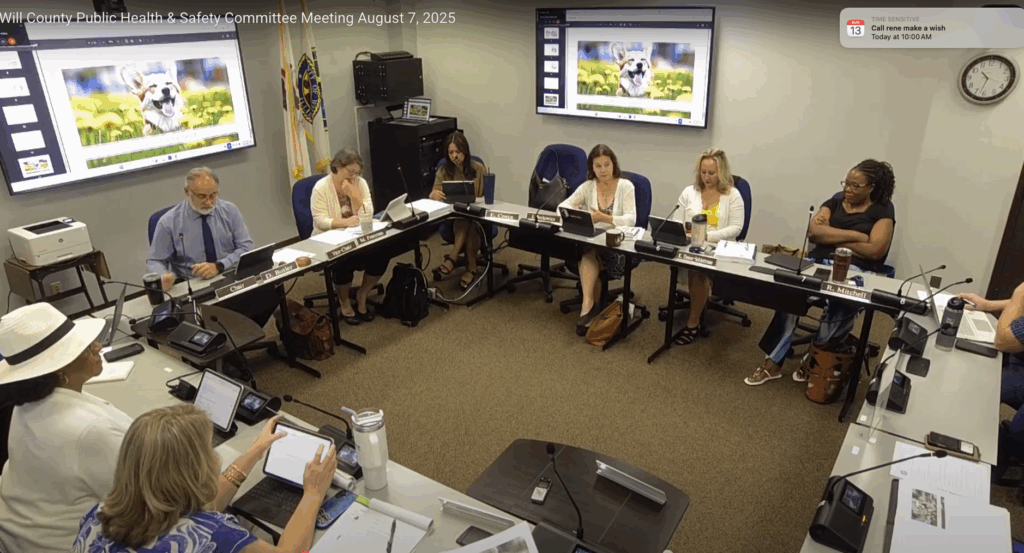
Health Department Seeks $1 Million Levy Increase to Prevent “Weakened System”