

Appeals court: IT firm can’t make insurer foot bill for $28M face scan deal
A state appeals panel has agreed an insurance company doesn’t need to contribute to a $28.5 million settlement that resolved a class action accusing an information technology firm of violating a biometrics privacy law for its part in a Chicago Police Department facial scan database purchase.
The underlying litigation involves allegations that Mokena-based Wynndalco Enterprises sold data that facial recognition data dealer Clearview AI collected, allegedly in violation of Illinois’ Biometric Information Privacy Act. As part of that action, three named plaintiffs asked Cook County Judge Sophia Hall to declare Axis Insurance Company was obligated to defend and indemnify Wynndalco. After Hall ruled in favor of Axis, the plaintiffs asked the Illinois First District Appellate Court to review their complaint.
Justice LeRoy Martin wrote the panel’s opinion, filed Oct. 15; Justices Bertina Lampkin and Mary Rochford concurred. The order was issued under Supreme Court Rule 23, which restricts its use as precedent, except under very limited circumstances permitted by the Supreme Court rule.
According to court records, Clearview AI contacted CPD in September 2019 regarding access to its database of facial image scans. Because Clearview wasn’t an approved vendor, CPD’s purchasing agent, CDW-Government, contacted Wynndalco to facilitate purchase of a two-year contract.
The plaintiffs, all Wynndalco assignees, filed their Cook County Circuit Court complaint in May 2000 alleging Wynndalco violated BIPA provisions prohibiting “private entities from selling, leasing, trading or profiting from an individual’s biometric identifiers or biometric information,” Martin wrote. “The complaint also alleged claims against Wynndalco for unjust enrichment and invasion of privacy.”
Miller Shakman Levine & Feldman, of Chicago, represented the assignees, Cook County residents Melissa Thornley, Deborah Benjamin-Koller and Josue Herrera, in the Wynndalco suit as well as their other claims against Clearview and CDW-Government.
In refusing to extend coverage to Wynndalco, Axis noted the company’s policy had two relevant exclusions: one for claims involving “Unlawful Use of Information” and another regarding “Violation of Statute.” The assignees argued the claims actually fell under Axis’ coverage for “wrongful acts” or “enterprise security events.”
Martin said the relevant issue on appeal is one of timing — whether Judge Hall correctly determined Wynndalco’s alleged conduct occurred prior to the policy’s retroactive date of Feb. 20, 2020. According to the panel, Hall ruled the precipitating event was the December 2019 transactions in which Wynndalco purchased the Clearview AI database and then sold it to CDW-Government.
“The policy was a claims-made policy, as opposed to an occurrence policy,” Martin wrote, noting retroactive provisions are typical in such policies. The assignees said their claim against Axis should be analyzed based on the May 2020 filing date, arguing that was the first time Wynndalco could have known it potentially violated BIPA.
“In support of this argument, plaintiffs take the ‘deem to occur’ language found in the policy’s claims-reporting section and apply that language to the policy’s claims-coverage section,” Martin wrote. “Plaintiffs are essentially asking this court to rewrite the policy. We refuse to do so.”
The panel said the policy’s language wasn’t ambiguous and taking the assignees’ position would improperly nullify the contract language, adding “there is no language in the policy’s claims-coverage provision which requires that the insured know its conduct might potentially give rise to an insurable claim.”
Wynndalco, defending itself, settled the class action in 2023.






Showers And Thunderstorms then Mostly Cloudy
Latest News Stories

Illinois quick hits: US Steel reopening Granite City furnace; unemployment down slightly

WATCH: Gun ban with SCOTUS; ICE enforcement pushback; End of life options bill with gov
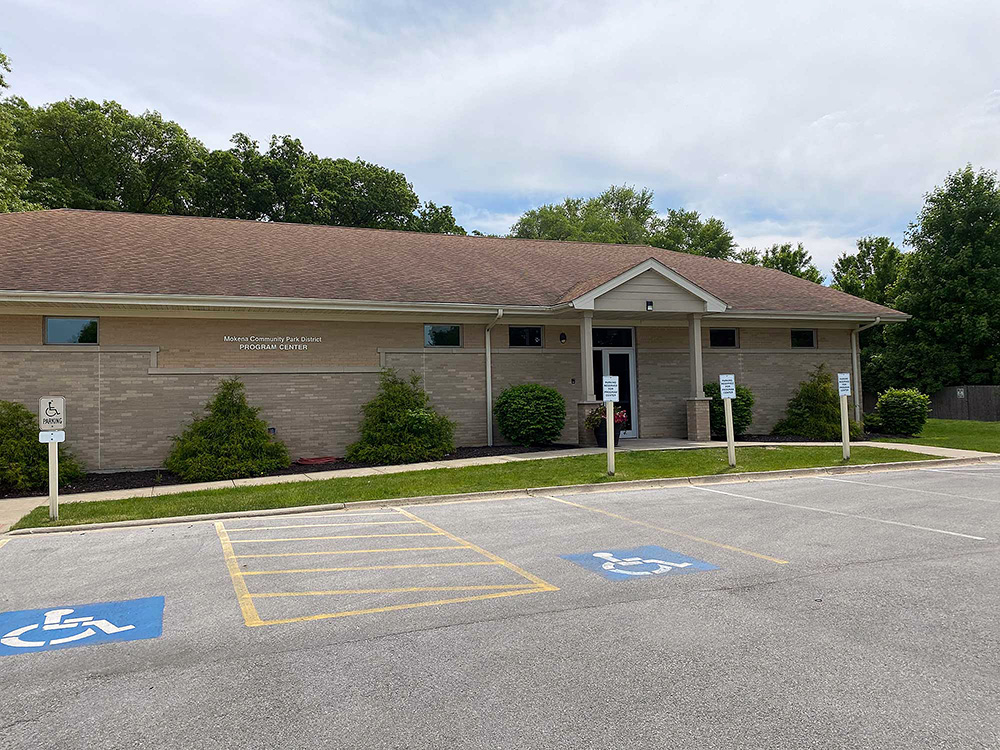
Park Board Advances Tax Levy Plan and Sets Public Hearing for November

U.S. Supreme Court takes up Michigan foreclosure case

Grand jury declines to re-indict Letitia James
U.S. Supreme Court upholds Texas’ new congressional maps

In last four years, five northern states saw most illegal crossings

Report: Hegseth violated multiple protocols and federal law in ‘Signalgate’

Illinois quick hits: Another attack on CTA passenger; plaintiffs move to dismiss their ICE use of force case
Some push for FDA approval of psychedelic treatments for veterans

WATCH: Pritzker: ‘No’ to state taxpayer-funded guaranteed income
WATCH: IL congresswoman willing to withhold highway dollars over CDL issues