Mokena Village Board Approves Sales Tax Increase to Fund Infrastructure
Village of Mokena Board of Trustees Meeting | October 27, 2025
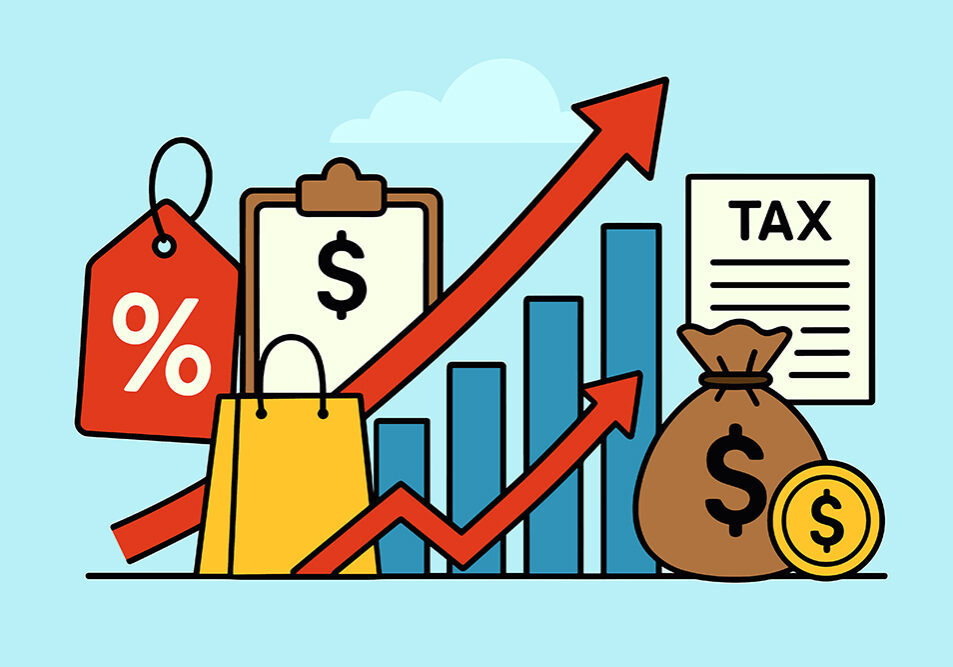
Article Summary: The Mokena Village Board has approved an ordinance to increase the non-home rule municipal sales tax by a half-percent, raising the village’s total sales tax rate from 7.5% to 8%. The additional revenue, projected to be over $2 million annually, is designated for municipal operations, public infrastructure improvements—primarily for water and sewer systems—and potential property tax relief.
Sales Tax Increase Key Points:
-
The board voted to increase the local sales tax by 0.5%, bringing the total rate in Mokena to 8% effective July 1, 2026.
-
The increase was enabled by state legislation passed in 2024 that allows non-home rule municipalities to impose up to a 1% sales tax without a referendum.
-
Village officials cited the need for a stable funding source for aging water and sewer infrastructure as a primary reason for the increase.
-
The tax does not apply to groceries, prescription drugs, or titled properties such as vehicles.
The Mokena Village Board on Monday, October 27, 2025, unanimously approved a half-percent increase to the village’s sales tax, a move officials say is necessary to fund critical infrastructure projects and maintain the village’s strong financial standing. The ordinance raises Mokena’s total sales tax rate from 7.5% to 8%, with the new rate set to take effect on July 1, 2026.
The decision follows a recent change in state law allowing non-home rule municipalities to impose a sales tax of up to 1% by ordinance, without requiring a voter referendum. Mokena previously enacted a half-percent sales tax in 2001 via a successful referendum to fund its road program. This new measure effectively utilizes the remaining half-percent allowed under the new state authority.
In a detailed presentation, Village Administrator John Tomasoski framed the increase as a forward-looking step to address the financial challenges of a “mature, built-out community.” He explained that as Mokena’s residential and commercial growth has slowed, revenue from sources like building permits and developer tap-on fees has naturally declined. Over a recent six-year period, tap-on fee revenue was just over $2.8 million, compared to over $6.6 million in the preceding six-year period.
“The general fund can no longer be the big brother to the other funds,” Tomasoski said, noting that surplus funds have previously been used to pay for major capital projects like the new police station and wastewater treatment plant upgrades. The primary focus for the new revenue stream will be funding the village’s water and sewer capital programs.
“We’re looking at that same challenge here for the water and sewer system for the foreseeable future and what is the best way to continue to fund those long-term improvements,” he stated.
Officials project the additional half-cent will generate over $2 million annually. According to the presentation, for every dollar collected from the full 1% local sales tax, 50 cents will go to road repairs, and the other 50 cents will be used to upgrade water and sewer systems and maintain village facilities.
Tomasoski emphasized that the sales tax spreads the financial burden among both residents and non-residents who shop in Mokena, making it a more equitable option than raising property taxes or utility rates. The increase to 8% places Mokena’s sales tax rate on par with neighboring Frankfort.
The ordinance states the proceeds can be used for “municipal operations, in addition to or in lieu of any expenditure on public infrastructure, and for property tax relief.” The tax applies to general merchandise and does not affect sales of groceries, prescription medication, or titled property like vehicles.

Chance Showers And Thunderstorms then Showers And Thunderstorms
Latest News Stories

Expulsion votes for two members of Congress could happen next week, Luna says
NAACP sues xAI over air pollution near Memphis data center

Trump says he’s ready to nominate up to three Supreme Court justices

Military hostilities in Iran continue after Senate tanks War Powers Resolution

WATCH: Detransitioner battles to revive landmark malpractice and fraud lawsuit
Iran economic fallout is temporary, Hassett says

Illinois Quick Hits: NFIB says biz deduction will bring jobs, benefit to Illinois
Soaring costs and short supply shut millennials out of housing market

Vought testifies before lawmakers on Trump’s $2.1T budget request

SNAP eligibility changes spark debate on gap for impacted recipients

Trump puts spotlight on China, Iran’s top oil consumer
Lawmakers, auditors offer fraud prevention solutions