
DHS launches new initiative to crack down on student visa fraud
The U.S. Department of Homeland Security has launched a new initiative to crack down on student visa fraud.
It’s launched a new online tool through its Study in the States Fraud Hub. It includes resources for principal and designated school officials whose schools are authorized to participate in the Student and Exchange Visitor Program (SEVP). The officials “have a critical role in preventing fraud to safeguard U.S. national security,” DHS says.
In one training module, DHS explains that fraud has been increasingly committed by foreign students and certified schools, including those submitting fraudulent admissions documents, statements and academic transcripts. Foreign nationals are also arriving on student visas who don’t report to the schools they claim to be enrolled in. “These Individuals have no intention of engaging in academic studies and may go on to commit crimes in the United States,” DHS says.
Foreign students enrolled through SEVP are also engaging in unauthorized work and illegally using Social Security numbers; fraudulent employers are also involved in a pay to play scheme with them. Foreign nationals posing as students in the program are also applying or participating in SEVP to commit espionage, authorities have found.
The initiative was developed with ICE-Homeland Security Investigations, which investigates student visa and document fraud.
DHS is providing free training including through its “Fraud 101” training video; the World Education Services guide, used to authenticate international academic credentials; and the International Association of Universities World Higher Education Database, which helps officials recognize legitimate foreign education systems and institutions.
The training emphasizes a comprehensive approach on how to review submitted documents, verify information, identify formatting inconsistencies, signs of forgery or alteration. They also address a vetting process to verify applicant details, including contacting academic institutions, banks and other organizations, cross-checking personal essays and other submitted materials for consistency. They also highlight a range of resources to use to ensure admissions processes remain secure and compliant.
Training materials also highlight red flags that may indicate fraud for officials to learn, including inconsistent or suspicious academic records with mismatched dates or unverifiable institutions or identical financial documents submitted by multiple applicants.
Prearrival and orientation red flags may include foreign nationals who don’t want to participate in orientation or advising sessions, video calls or identity confirming procedures. Other red flags relate to SEVP participants’ unexplained living arrangements, registering at suspicious addresses; refusing to sign or comply with nondisclosure agreements; or frequently changing majors, status, name or addresses without justification.
It also includes a map of restricted countries. Foreign students from the countries of China, Iran, Libya, Russia and Sudan are prohibited from enrolling in specific programs and from engaging in certain educational activities. “These restrictions safeguard U.S. national security and prevent fraud,” DHS says.
Iranians are prohibited from engaging in course work in the energy, nuclear science or nuclear engineering fields; Libyans are prohibited from engaging in coursework related to aviation maintenance, flight operations or nuclear-related studies or training.
China, Iran and Russia are also designated as Countries of Particular Concern by the State Department for their policies of “systematic, ongoing, egregious violations of religious freedom,” which includes “torture, prolonged detention without charges, forced disappearance, or other flagrant denial of life, liberty, or security of persons.”
A record more than 1.6 million illegal border crossers were publicly reported from four countries of foreign concern – China, Cuba, Nicaragua and Russia – during the Biden administration, The Center Square reported.
The guidance comes after the State Department has revoked thousands of student visas for a range of reasons, including for criminal charges and convictions, visa violations and overstays, among other reasons.
It also comes after the Biden administration was found to not properly vet foreign nationals entering the country, including fraudulently through multiple visa programs.


Chance Showers And Thunderstorms
Latest News Stories
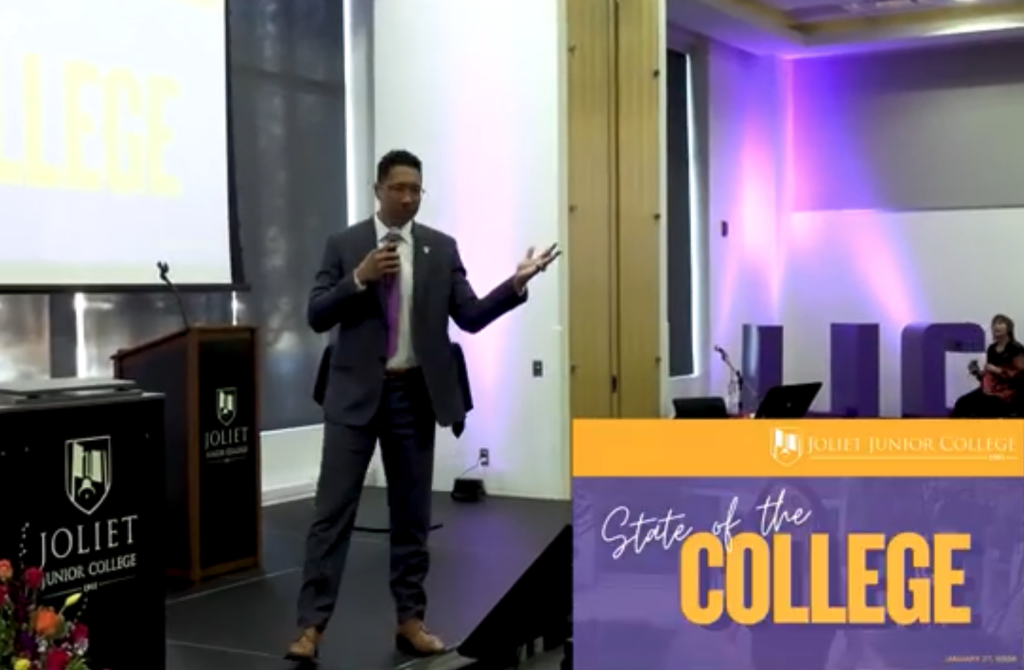
State of the College: Local Legislators Bolster Student Support Services
Meeting Summary and Briefs: Public Health & Safety Committee for February 5, 2026
State of the College: Dual Credit Program Enrollment Hits 6,000 Students
Meeting Summary and Briefs: Finance Committee for February 3, 2026

Fairmont Neighborhood Plan Update Prioritizes Infrastructure and Beautification Following Demographic Shift
Health & Safety Committee: Monee Church Kitchen Project Highlighted in County Health Impact Report
State of the College: President Namuo Pushes for Bachelor’s Degrees, Cites Record Graduation Rates
Emergency Freezer Replacement Approved for Adult Detention Facility
Meeting Summary and Briefs: Mokena Community Park District for December 16, 2025
Meeting Summary and Briefs: Legislative Committee for February 3, 2026
Health & Safety Committee: Opioid Overdose Deaths Drop to Zero in January as Behavioral Health Department Expands Role
State of the College: JJC Announces Plans for New Campus in Grundy County
Meeting Summary and Briefs: Public Works & Transportation Committee for February 3, 2026