Republicans divided over how to address rising health care costs
The U.S. Senate will hold a doomed vote next week on Democrats’ bill to extend the enhanced Obamacare subsidies for three more years.
Senate Republicans, meanwhile, have not decided on an alternative health care bill, despite millions of Americans’ premiums set to spike after Dec. 31 when the enhanced Premium Tax Credits expire.
While House Republicans will drop the text of a health care policy bill as soon as Monday, individual Republican senators have introduced a hodge-podge of ideas via separate bills.
The No Taxes on Healthcare Act, put forward by U.S. Sen. Josh Hawley, R-Mo., would make all taxpayers, not just those who itemize their deductions, eligible for the medical-expense deduction. It would also enable taxpayers to deduct up to $25,000 in out-of-pocket medical expenses, as well as allow deductions for out-of-pocket spending on healthcare premiums.
“Why shouldn’t we make health care tax-free in this country?” Hawley asked during a committee hearing Wednesday. “We did no taxes on tips, no taxes on overtime earlier this year. How about no taxes on health care?”
Other proposed legislation to lower health care costs targets Pharmacy Benefit Managers, who have been accused of distorting health care markets by artificially inflating the list prices of drugs for low-income patients.
The Pharmacy Benefit Manager (PBM) Price Transparency and Accountability Act, introduced by U.S, Sen. Mike Crapo, R-Idaho, along with Sen. Ron Wyden, D-Ore., would increase pricing transparency and isolate PBM compensation from their negotiated rebates.
Crapo said the bill forms “a strong foundation for additional efforts to promote pharmacy access, demystify drug pricing and reduce costs.”
Other Republicans – including U.S. Sens. Bill Cassidy, R-La., and Susan Collins, R-Maine, – are hoping to build on the Affordable Care Act in the short-term and work on long-term reforms afterward.
Cassidy is pushing for Health Savings Accounts to replace the enhanced PTC. Americans who have insurance through the ACA Marketplace could then receive the subsidy directly and apply it to their premiums on the plan of their choice.
“By giving the money to the insurance companies, we’re not actually lowering the cost of the premium, we’re just papering over it with subsidies,” Cassidy told lawmakers Thursday. “The enhanced Premium Tax Credit doesn’t lower the cost of health care, but it is a Band-Aid on a broken bone … the actual premium never decreased, it’s just that the taxpayers were paying more of it.”
While Senate Majority Leader John Thune, R-S.D., has not confirmed whether GOP leaders are considering comprehensive legislation, many of the ideas put forward are likely to be included in Republicans’ House bill.
House Speaker Mike Johnson, R-La., is hoping for a floor vote on the legislation by the end of the month.






Sunny
Latest News Stories

Trump says $2,000 tariff rebate checks won’t come before Christmas

Chicago mayor threatens layoffs, property tax hikes if council rejects head tax
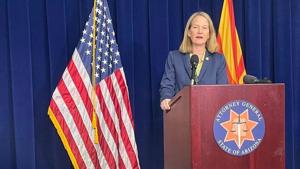
Goldwater Institute sues Arizona attorney general for records

Illinois quick hits: Four officers injured during ICE protest

California asks court to end federalization of National Guard

ICE, Florida officers arrest 230, including 150 sex offenders

With shutdown over, fight over Obamacare reform is on

Feds launch initiative to conduct welfare checks on unaccompanied minors

Will County Committee Denies Appeal for Crete Township ‘Tiny Home’ Permit

Judge: Biden-era decree deal requires release of 600+ from ICE detention

Poll: Majority believe free speech in U.S. headed in wrong direction
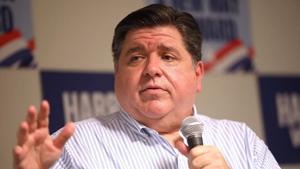
Illinois quick hits: Chicago treasurer to boycott U.S. securities to protest against Trump; Governor marks opening of new union training center; Illinois farms expected to lose $67.2 million a year