Regional Transit Agencies Tout New State Funding, Prepare for Shift to ‘NITA’
Will County Committee of the Whole Meeting | December 2025
Article Summary: Regional transit leaders presented their 2026 budgets to the Will County Board, highlighting that the recent passage of Senate Bill 2111 has averted a “fiscal cliff.” The legislation provides over $1 billion in new funding but also triggers a massive restructuring of the Regional Transportation Authority (RTA) into a new entity called the Northern Illinois Transit Authority (NITA).
Regional Transit Budget Key Points:
-
Fiscal Cliff Averted: New state funding is expected to provide $1.2 billion in operating funds, preventing service cuts and layoffs.
-
No 2026 Fare Hikes: Pace and Metra confirmed there will be no fare increases in the 2026 budget year.
-
Governance Change: The RTA will be dissolved and replaced by the Northern Illinois Transit Authority (NITA) by late 2026.
-
Sales Tax Increase: The RTA Board is required to vote on a 0.25% sales tax increase within 60 days of the legislation’s June 1, 2026, effective date.
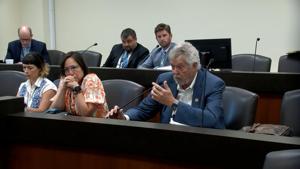
Representatives from the Regional Transportation Authority (RTA), Pace, and Metra appeared before the Will County Board Committee of the Whole on Tuesday, Dec. 9, 2025, to present their annual budgets and discuss the impact of recently passed state legislation.
JD Ross, Will County’s representative on the RTA Board, opened the presentation with “good news,” citing the passage of Senate Bill 2111. Ross stated that without the bill, the agencies were projecting deficits of at least 20%, which would have forced drastic service cuts.
“A new era has begun for transit in our region,” Ross said. “Riders will see continuous service improvements and upgrades… and there will be no fare increases for 2026.”
Kevin Bueso, Chief Financial Officer for the RTA, outlined the financial specifics. The new legislation creates two main funding sources: a reallocation of 5% of the state’s sales tax on motor fuel to transit operations, and a new 0.25% regional sales tax increase. Bueso noted that the sales tax on motor fuel will be split, with 85% going to the RTA region and 15% to downstate transit.
The legislation also mandates a significant governance restructure. The RTA will be replaced by the Northern Illinois Transit Authority (NITA). The current RTA Board terms will expire on September 1, 2026, and a new 20-member NITA board will be appointed.
“NITA will have expanded authorities and powers compared to the RTA,” Bueso explained, noting the new authority will oversee budgeting, fare setting, and capital planning.
Bueso also addressed safety, stating that the legislation mandates the new organization to phase in a safety plan, potentially costing between $150 million and $200 million. This could involve a transit police force, a “transit ambassador” program, or contracts with local law enforcement.


Chance Rain Showers then Mostly Sunny
Latest News Stories

Dems oppose Trump’s bid to end mail-in ballots, voting machines
After two weeks fleeing Texas, House Democrats return, quorum reached

Meeting Summary and Briefs: Mokena Fire Protection District Board of Trustees for July 8, 2025

Trump: Zelenskyy could end Russia-Ukraine war ‘if he wants to’
$750 million facility to protect Texas cattle, wildlife from screwworm threat

Chicago posts fewest homicides since 2016, arrests rate also declines
Three years later, Inflation Reduction Act blamed for higher Medicare costs

Illinois quick hits: Prosecutors charge two more in Tren de Aragua case; Senate Energy and Public Utilities Committee meets today; Illinois Little League team loses in World Series
Report: Human Rights Campaign pressures transgender procedures on minors

Everyday Economics: Housing market and Fed policy in focus in the week ahead
Executive Committee Considers $12,000 Strategic Planning Initiative with University of St. Francis
Mokena Fire Board Appoints Surdel as Commissioner, Increases Office Coordinator Hours