
College funding bill draws dissent from big Illinois universities
(The Center Square) – Lawmakers questioned Illinois university leaders about a contentious bill that adjusts how new money is allocated to in-state, public universities.
The new funding formula would favor smaller schools with the least funding.
HB 1581, the “Adequate and Equitable Public University Funding Act,” proposes a yearly increase over 15 years of $135 million to state university funding, each public university getting a specific percentage, with priority given to universities that are the most in need.
University of Illinois system President Tim Killeen, whose schools are by-far the highest publicly funded in the state, expressed strong opposition to the bill and where current percentages would put their coming funding increases.
“There is no number that doesn’t, in a way, negatively affect the University of Illinois system,” Killeen said.
Nicholas Jones, executive vice president of the system, added that they would receive smaller increases to yearly funding than they have previously, which could force them to increase tuition costs and out-of-state admissions for new revenue.
“With the current allocation, University of Illinois receives about 51% of the total increase in appropriation. If the formula went into effect fully funded at $135 million, University of Illinois would get 28% of the appropriation,” Jones said.
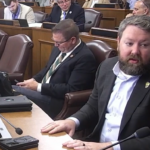
Committee chair Sen. Michael Halpin, D-Galesburg, was highly critical of the university’s position.
“I think it’s informative to see what the University of Illinois thinks it needs this year and compare that to what the rest of our universities are asking for. Twenty percent of $135 million is about $28 million. That is almost half of Western Illinois’ annual operations budget,” said Halpin.
In a House committee hearing last week, bill sponsor Rep. Carol Ammons, D-Champaign, spoke about the funding formula bill, saying it is considering student needs, and that it would most benefit those students.
The bill passed the committee on the agreement Ammons would return to the house committee after negotiations and adjustments take place.
Among other state schools, support for the bill is unambiguous. The U of I system receives about 51% of new funds under the current system, so the new need-based system could mean a large shift in how and where a significant amount of state tax dollars are used.
In the Senate hearing, Western Illinois University President Dr. Kristi Mindrup spoke in favor of the bill, saying it would provide needed funding for all state schools, calling the current system arbitrary.
“WIU stands united with seven other public universities throughout the state in support of the legislation because additional funding strengthens education quality and affordability and strengthens local economies,” said Mindrup.
Northern Illinois University President Dr. Lisa Freeman also reflected her support, saying it would be a long-term solution to a major problem.
“Working together, we have an opportunity to increase attainment, uplift communities and strengthen the Illinois economy,” Freeman said. “That’s why NIU strongly supports adoption of the proposed higher education funding formula that addresses long-standing inequities in Illinois higher education funding system.”





Sunny
Latest News Stories

Watchdog: Canceled NASA contracts more than doubled in cost
Senate committee explores ways to protect American citizenship

Chicago video gambling hearing abruptly ends in debate, disarray
$87.6B war supplemental draws bipartisan questions about unrelated riders

Illinois Quick Hits: Court rules against parents in East St. Louis busing case

DHS secretary blasts Illinois correctional centers
Walz files for information on Trump ‘retribution campaign’

Supreme Court upholds executive authority in immigration cases

DeWine vetoes absentee voter photo ID
U.S. jumping into action to assist Venezuela following massive earthquakes

Parents warned of YMCA camps’ transgender-inclusive policies for cabins, restrooms

Chicago’s potential ‘teen takeover’ solutions cost taxpayers