Trump watches as high court hears challenge to his birthright citizenship order
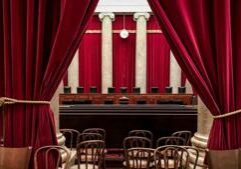
President Donald Trump became the first sitting U.S. president to attend Supreme Court oral arguments, observing as the justices considered a challenge Wednesday to his controversial executive order aimed at ending birthright citizenship.
At stake is the future of birthright citizenship in the United States – a bedrock principle enshrined in the 14th Amendment that grants automatic citizenship to anyone born on U.S. soil. The Supreme Court’s decision in this landmark case will determine whether children born to undocumented immigrants or temporary visitors will continue to be recognized as American citizens, potentially reshaping the nation’s approach to immigration and the very definition of citizenship.
Solicitor General D. John Sauer argued that the clause in the 14th Amendment, “subject to the jurisdiction thereof,” means its protections don’t extend to those in the country illegally. The Amendment was passed to reverse the Supreme Court’s 1857 decision in the Dred Scott case regarding former slaves.
“The clause thus does not extend citizenship to the children of temporary visa holders or illegal aliens,” he told the Supreme Court. “Unlike the newly freed slaves, those visitors lack direct and immediate allegiance to the United States.”
The 14th Amendment reads: “All persons born or naturalized in the United States, and subject to the jurisdiction thereof, are citizens of the United States and of the State wherein they reside.” The case could hinge on the meaning of five words: “subject to the jurisdiction thereof.”
Sauer argued that birthright citizenship hurts the nation and cheats those who immigrate through legal pathways.
“It demeans the priceless and profound gift of American citizenship,” he said. “It operates as a powerful pull factor for illegal immigration and rewards illegal aliens who not only violate the immigration laws, but also jump in front of those who follow the rules.”
He also warned about birthright tourism.
“It has spawned a sprawling industry of birth tourism as uncounted thousands of foreigners from potentially hostile nations have flocked to give birth in the United States in recent decades, creating a whole generation of American citizens abroad with no meaningful ties to the United States,” Sauer said.
Sauer noted that most modern nations don’t recognize birthright citizenship.
Thirty-two other countries have birthright citizenship laws, according to a Pew Research Center report.
Chief Justice John Roberts appeared skeptical about the government’s argument.
“You know, children of ambassadors, children of enemies during a hostile invasion, children on warships,” he said. “And then you expand it to the whole class of illegal aliens who are here in the country. I’m not quite sure how you can get to that big group from such tiny and sort of idiosyncratic examples.”
Justice Neil Gorsuch noted that parentage wasn’t mentioned at the time.
“It’s striking that in none of the debates do we have parents discussed. We have the child’s citizenship and the focus of clauses on the child, not on the parents, and you don’t see domicile mentioned in the debates. That’s the absence is striking.”
Challengers will present their arguments next.
The Supreme Court is expected to rule on the matter before the end of its term this summer. The decision could have sweeping implications for immigration in America.
On the first day of his second term, Trump signed an executive order that denies U.S. citizenship to children born on American soil unless at least one parent is a U.S. citizen or green card holder. The order was immediately challenged by several states, and four federal judges have since blocked Trump’s interpretation of the 14th Amendment.



Chance Showers And Thunderstorms then Showers And Thunderstorms
Latest News Stories
JJC Board Meeting Highlights Tensions Over Legal Bills, Trustee Conduct
Students, Trustees Emphasize Importance of Inclusivity and Flag Raisings at JJC
L-W School Board June 26 Meeting Briefs
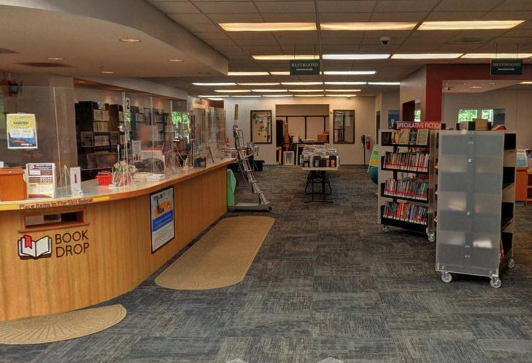
Library Explores New IT and Copier Services Amid Equipment Failures
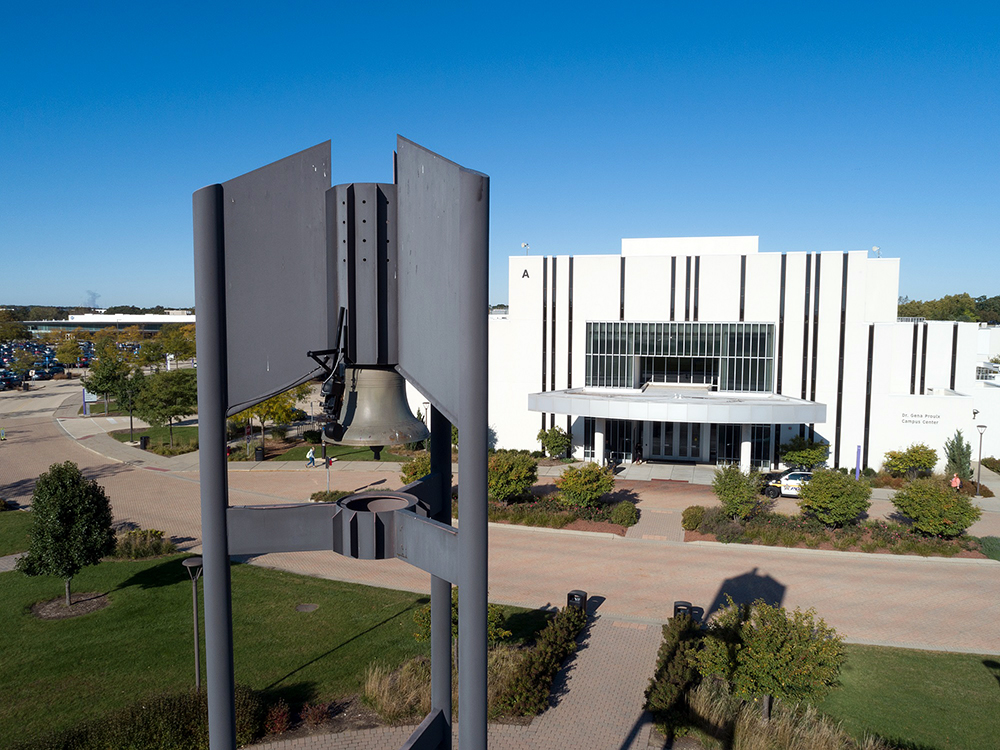
JJC Embarks on New 10-15 Year Facilities Master Plan Process
Meeting Briefs: Library Board of Trustees for June 24, 2025
Meeting Summary: Joliet Junior College Board of Trustees for June 25, 2025
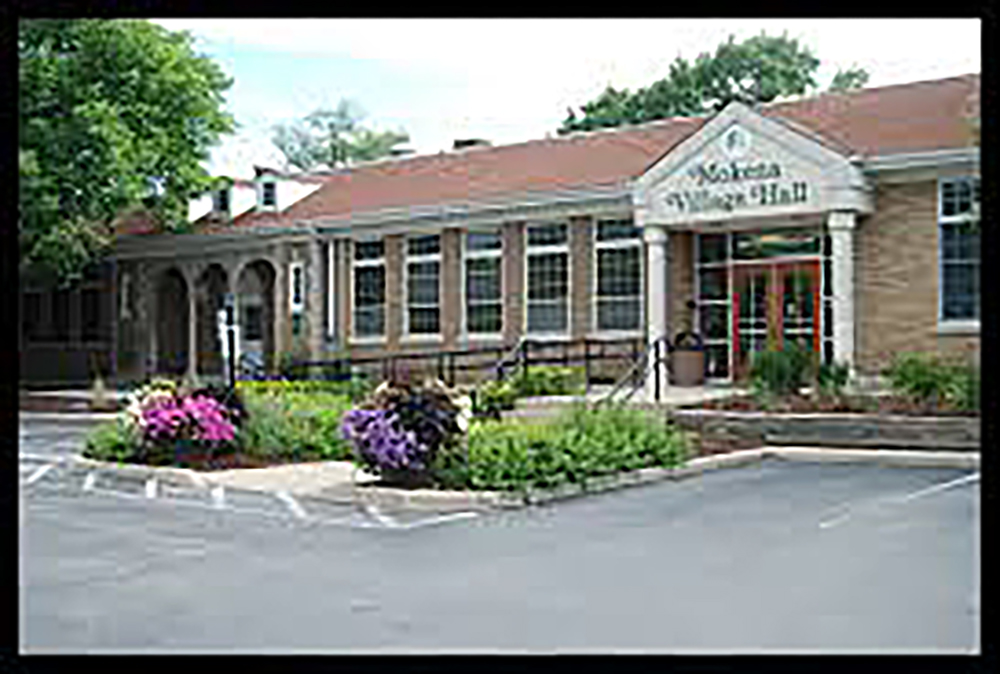
Mokena Enacts Local Grocery Tax to Avert $850,000 Revenue Loss
Mokena Dissolves Two Committees to Streamline Development Process
Mokena Police to Get New Axon In-Car Cameras in $176K Deal

Mokena Targets Invasive Callery Pear Trees for Removal
Meeting Briefs: Mokena Village Board for June 23, 2025