Federal-state showdown looms over regulation of prediction markets
The federal government is telling states to back off attempts to regulate prediction markets after several states took legal action to block the federally regulated markets from operating in their states.
At the center of the dispute is whether states or the federal government should have the final say over prediction markets, which allow people to bet on real-world outcomes such as sports and elections. As states ramp up enforcement against these markets, the CFTC asserts its exclusive authority, setting up a legal battle that could determine the future of event-based trading nationwide.
The Commodity Futures Trading Commission filed lawsuits challenging the actions of Arizona, Connecticut, and Illinois against Kalshi and other federally regulated operators.
States have acted to block or regulate how these markets operate. For example, Arizona filed criminal charges against Kalshi in March. The state alleged the New York-based company operated an illegal gambling business in Arizona without a license and engaged in election wagering. Nevada has blocked prediction markets from operating within its borders.
The CFTC says it alone can oversee event contracts under the Commodity Exchange Act. It says some states have tried to ban operators who trade in event contracts that are allowed under federal law. The agency emphasized, “Congress long ago decided that rules for commodity trading should be the same nationwide, not different from state to state.”
“The CFTC will continue to safeguard its exclusive regulatory authority over these markets and defend market participants against overzealous state regulators,” CFTC Chairman Michael Selig said in a statement.
Selig said Congress designed a federal framework to prevent a fragmented patchwork of state regulations. He said this patchwork led to weaker consumer protection and an increased risk of fraud and manipulation.
The Illinois Attorney General’s office is reviewing the federal complaint, a spokeswoman told The Center Square.
The Arizona Attorney General’s Office declined to comment on the federal suit Monday. However, Arizona Attorney General Kris Mayes previously said companies don’t get to decide which state laws they follow.
The CFTC, which first recognized event contracts in 1992, said that after the 2008 financial crisis, Congress granted it authority over such contracts involving broadly defined commodities.
To resolve the dispute over regulatory authority, the Department of Justice’s action asked a federal judge to clarify who is in charge.
“Unless restrained and enjoined by the Court, Defendants are likely to continue their attempts to subvert federal law and the exclusive jurisdiction to regulate event contract swaps conferred on the CFTC by Congress,” DOJ attorney Tiberius Davis wrote in the lawsuit.
The Center Square reached out to Kalshi and Polymarket for comment on the federal suit.
Prediction markets have faced national scrutiny for operating under event contract law at the CFTC, while also being accused of sports betting that should fall under state regulation.
A New Jersey circuit court ruled on Monday that prediction markets likely fall under federal jurisdiction, but one dissenting judge wrote that the markets are “virtually indistinguishable from sportsbooks.”
Sports gambling attorney Daniel Wallach wrote Sunday that states had won 14 of 16 preliminary rulings against prediction markets in state courts before the New Jersey ruling.
States v. PMs Scorecard:(On contested motions for a temporary restraining order and/or preliminary injunction by either side)States have won 14PMs have won 2— Daniel Wallach (@WALLACHLEGAL) April 6, 2026
Prediction markets gained popularity during the football season, with offerings very similar to those of sportsbooks. The event contracts have a user pick a side in a matchup or election and put their money behind it against other users.
These markets are overseen at the federal level by the CFTC, the government agency responsible for regulating futures and options markets. They do not require separate taxes paid to individual states.

Sunny then Slight Chance Showers And Thunderstorms
Latest News Stories
Congressional Perks: House account spending jumped 21% in 2022
Everyday Economics: Rate cut debate: Reading mixed signals in a fragile economy

Arizona looks to legal immigration with Trump’s border security

Ranchers decry beef imports from Argentina, expert says good start
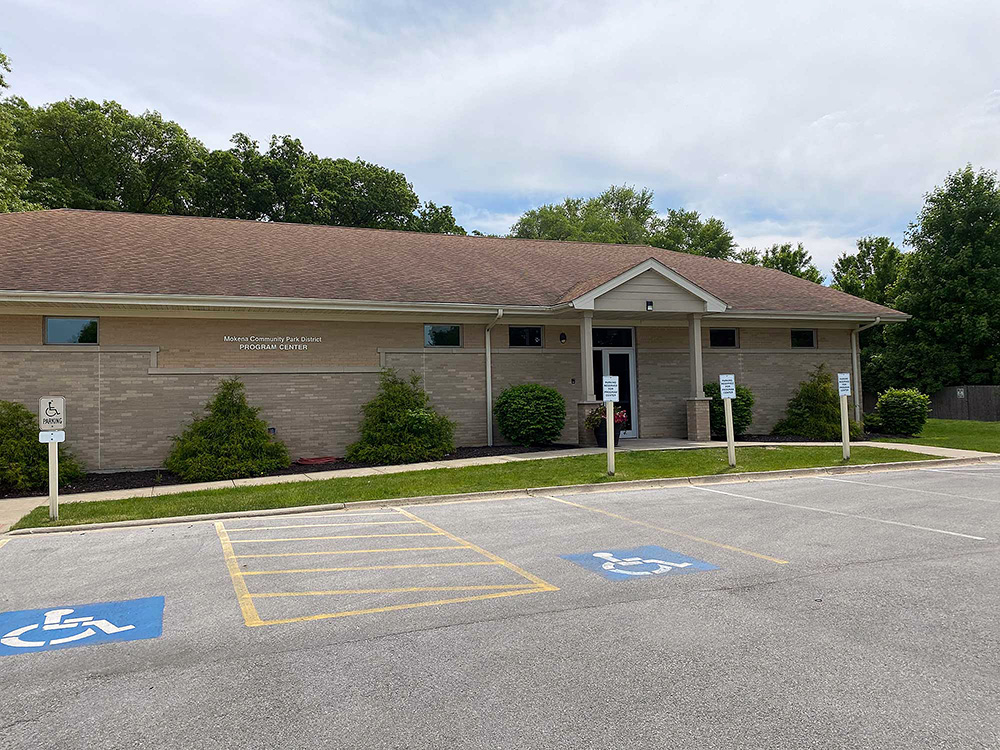
Mokena Park District Increases Spending Authority to Align with New State Law

Mokena Police Department Welcomes First K-9 Officer, Kong

Appeals court: IT firm can’t make insurer foot bill for $28M face scan deal

Mokena Approves ‘Emerald Social’ Restaurant and Outdoor Entertainment Venue
Lawmakers introduce bills to slash their own pay during government shutdowns

Trump considers military action to stop Christian genocide in Nigeria

94% of sanctioned scholars suffered from free speech attacks

Illinois soybean farmers face uncertainty amid MAHA push against seed oils