
Bears want more after Illinois House passes megaproject tax incentive bill
(The Center Square) – The Illinois House of Representatives passed a megaproject bill that would set up the Chicago Bears for a hefty property tax break on a new stadium and development in Arlington Heights but that didn’t stop the team from immediately asking for more.
“Additional amendments are necessary to make the Arlington Heights site feasible for our stadium project,” the Bears said in a statement. “We support Illinois leaders as they determine the path forward to making the essential changes to the mega project bill and aligning on infrastructure funding.”
While the deal does not include direct funding for the Bears’ stadium, the team has asked for $887 million from the state to spend on infrastructure for the estimated $5 billion project on the former Arlington Park race course.
The megaproject bill would freeze property taxes at their current level on the property and add a negotiated special payment beyond that, something that Americans For Prosperity Illinois Deputy State Director Brian Costin could give the Bears up to $350 million in tax breaks each year over what another business would pay, leading Costin to call the bill the “most terrifying bill I’ve seen in my 20 year professional career.”
The bill extends far beyond the Bears’ project, including benefits for a proposed $30 billion One Central rail project near Soldier Field to connect Metra, Amtrak and the Chicago Transit Authority trains in one spot along with building high-rise residences.
“This is enormously dangerous for people in Illinois who happen to live near the projects,” Costin told The Center Square.
The megaproject bill saw renewed urgency in recent months as the Bears claimed to be pursuing a potential stadium near Wolf Lake in Hammond, Indiana.
Leading economist J.C. Bradbury of Georgia’s Kennesaw State University has studied the finances of publicly funded stadiums and is the author of an upcoming book titled ‘This One Will Be Different: False Promises and Fiscal Realities of Publicly Funded Stadiums.’
“Economists have been studying public stadiums for about five decades and there has not been one instance that I am aware of in which the stadium has actually paid for itself, that it has generated enough money to pay back taxpayers,” Bradbury told The Center Square. “This isn’t an investment, it’s a subsidy.”
Bradbury noted that a Bears move to Indiana would be positive to Illinois taxpayers if they could drive over the stateline to see the team play while Indiana taxpayers subsidized a new stadium.
“You often see these phony threats that ‘We’re gonna move’ and it’s very clear that the Bears do not want to move and that’s why they keep threatening to move and, when they get an offer and then they don’t move, it makes it clear that it’s not very credible,” Bradbury said. “I do understand that the Bears might end up making a decision and decide that the situation in Indiana is better than what they have at Soldier Field … but I think there’s going to be some backlash from fans and I don’t think it’s going to be good financially for them and I think that’s why they don’t want to do it.”
Neil deMause, co-author of the book ‘Field of Schemes’ and author of a blog with the same name, said the Bears made Jerry Reinsdorf proud after Reinsdorf famously threatened to move the Chicago White Sox out of Chicago to St. Petersburg, Florida, in the late 1980s before later admitting he was never actually intending to move the team.
He pointed out that it isn’t completely clear how large of a tax benefit the Bears are set to receive in Arlington Heights because the development plan and what could be included in the area impacted by the megaproject property tax break is not yet defined.
The Bears’ initial plans included residential buildings on the former race course but those residential areas cannot be included in the defined megaproject area. It’s also unclear what would be defined as infrastructure that the state and local governments would pay for and what the Bears would fund at the site.
“We don’t know exactly how much it’s worth,” deMause told The Center Square. “It could be $2 billion, it could be less. The Bears are saying they still want state infrastructure money and we don’t know how much that is, so it could be anywhere in the billion, $2 billion or $3 billion range. None of those would be a record but any of those would have been a record a year or two ago before we had the Commanders deal.”
deMause called the Bears’ Wednesday night request for more subsidy “their one chance to leverage that Indiana threat.”
“I guess the lesson from past deals is, you can’t get if you don’t ask,” deMause said. “So you may as well demand everything and then see what happens.”
If the Bears don’t receive their full demands, then the team will have a choice whether to follow through on the threat to move to Indiana or not, he noted.
The bill also included a caveat where officials involved in the deals cannot receive free or reduced priced tickets at a venue that receives property tax breaks through the megaproject bill and officials cannot leave to work for a company that benefits from the property tax breaks within a year of a megaproject agreement being finalized.




Slight Chance Showers And Thunderstorms then Showers And Thunderstorms Likely
Latest News Stories
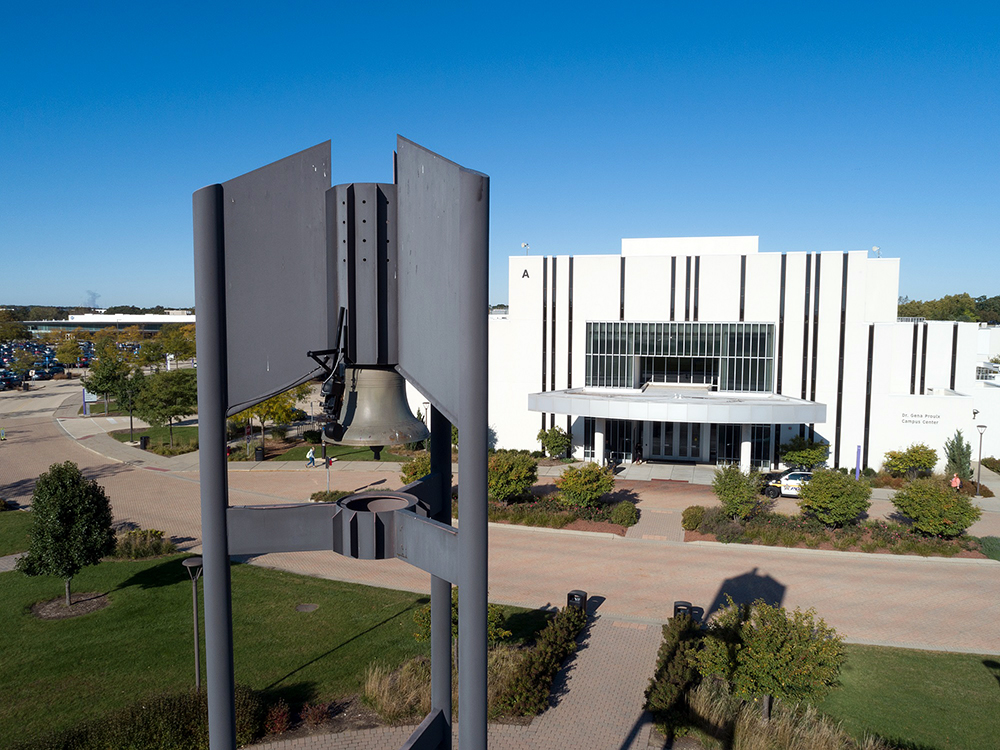
JJC Embarks on New 10-15 Year Facilities Master Plan Process
Meeting Briefs: Library Board of Trustees for June 24, 2025
Meeting Summary: Joliet Junior College Board of Trustees for June 25, 2025
Mokena Enacts Local Grocery Tax to Avert $850,000 Revenue Loss
Mokena Dissolves Two Committees to Streamline Development Process
Mokena Police to Get New Axon In-Car Cameras in $176K Deal

Mokena Targets Invasive Callery Pear Trees for Removal
Meeting Briefs: Mokena Village Board for June 23, 2025
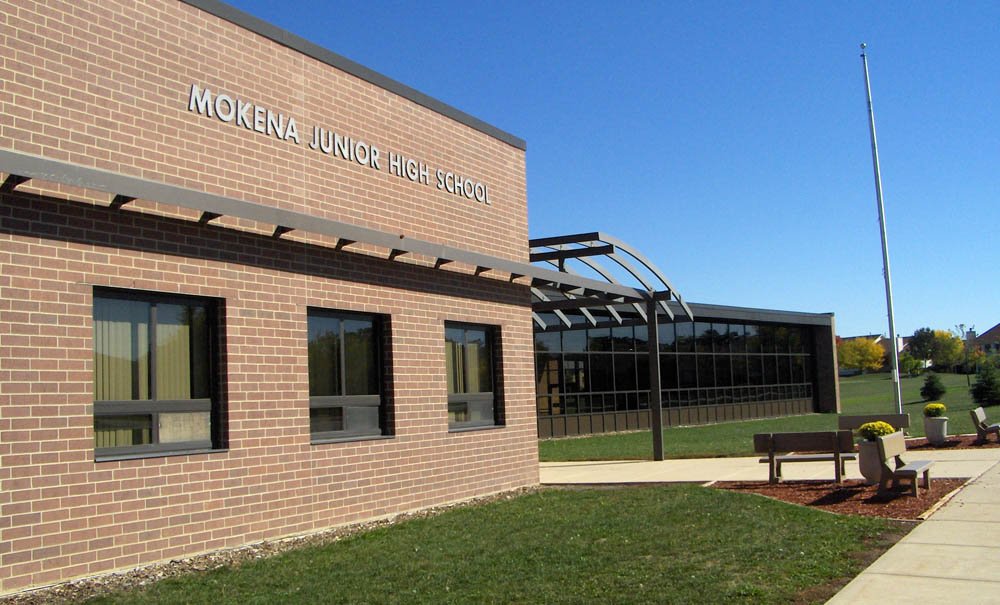
Mokena 159 Board Approves Amended Budget Amid Transparency, Deficit Concerns
Mokena 159 Board Signals Support for Recording Meetings After Public Push
District 159 Adopts ‘Wayfinder’ Program to Boost Middle Schoolers’ Social-Emotional Health
Mokena 159 Principals Report End-of-Year Academic Progress, Focus on Writing