
Op-Ed: Oversight faps in federal drug program put Illinois’ independent practices at risk
Community-based care is part of the fabric of the healthcare system in Illinois. As an allergist and immunologist practicing in St. Charles, I take pride in offering relationship-driven, highly personalized care to patients whose conditions leave no room for delays or disruptions.
Many of the patients I treat live with chronic asthma that can turn life-threatening in minutes, severe food allergies that require constant vigilance, or immune deficiencies that make common infections harder to fight and more likely to require urgent care. Timely access to a physician who knows their history is vital.
Despite the fact that thousands of Illinoisans rely on community-based doctors, independent practices are rapidly disappearing across our state. Practices are closing left and right not due to low quality of care, but in part due to hospital consolidation driven by a federal drug discount program known as 340B.
Absent the necessary guardrails, the 340B Drug Pricing Program, which was created to help vulnerable patients access medications and care, creates strong financialincentives for large hospital systems to acquire smaller community practices, leaving vulnerable patients with fewer local and convenient care options.
The 340B program allows eligible hospitals and clinics in Illinois to purchase drugs at steep discounts, up to 50%, then bill insurers at full price. The difference between the discounted acquisition cost of the medicine and the reimbursement is often several times higher.
That difference was intended to help safety-net 340B hospitals and clinics provide charity care and improve access to medications for low-income, uninsured, and underinsured patients in Illinois.
But instead, large hospitals are pocketing the revenue, and there is no transparency into how they use it or oversight to ensure patients are truly benefiting from the program.
Meanwhile, those same large hospitals in Illinois are providing below-average charity care. In fact, Illinois 340B hospitals earn nearly three times more in 340B profits than they spend on charity care.
Now, the Illinois General Assembly is considering HB 2371, a bill that would lock in the flaws of the 340B program in need of a fix by Congress and make the playing field even more uneven for independent practices in Illinois.
Because independent practices are not eligible to participate in 340B, large hospitals gain a major advantage when they absorb community clinics. Acquiring a practice doesn’t just expand their footprint; it expands the number of patients whose prescriptions can now be routed through a 340B-eligible location.
That means more prescriptions purchased at discounted prices, more claims billed at full price, and more profit captured with no requirement to reinvest those dollars in patient care in the state.
340B also affects decisions about which therapies patients receive and where those treatments are delivered, especially for high-cost injections and biologics that many allergy and immunology patients rely on.
Because hospitals earn larger margins on more expensive 340B-eligible drugs, they arefinancially incentivized to use higher-cost medications and to administer them in their own facilities, even when lower-cost options such as local clinics or more affordable sites of care are available.
This drives up costs for patients and insurers while increasing revenue for large hospital systems.
For practices like mine who operate on razor thin margins, it makes it incredibly difficult to compete. Many practices either choose to be acquired or close their doors because of declining revenue.
That’s not the intent of the 340B program. I support how 340B is supposed to work in practice, by helping patients access medications they need to stay healthy. But the program is in desperate need of transparency and greater oversight.
HB 2371 is not the answer. It would cement the program’s flaws and make it harder for community-based physicians to remain viable and accessible to our local communities and easier for large systems to continue expanding under the guise of a safety-net program that no longer resembles its original mission.



Mostly Sunny
Latest News Stories
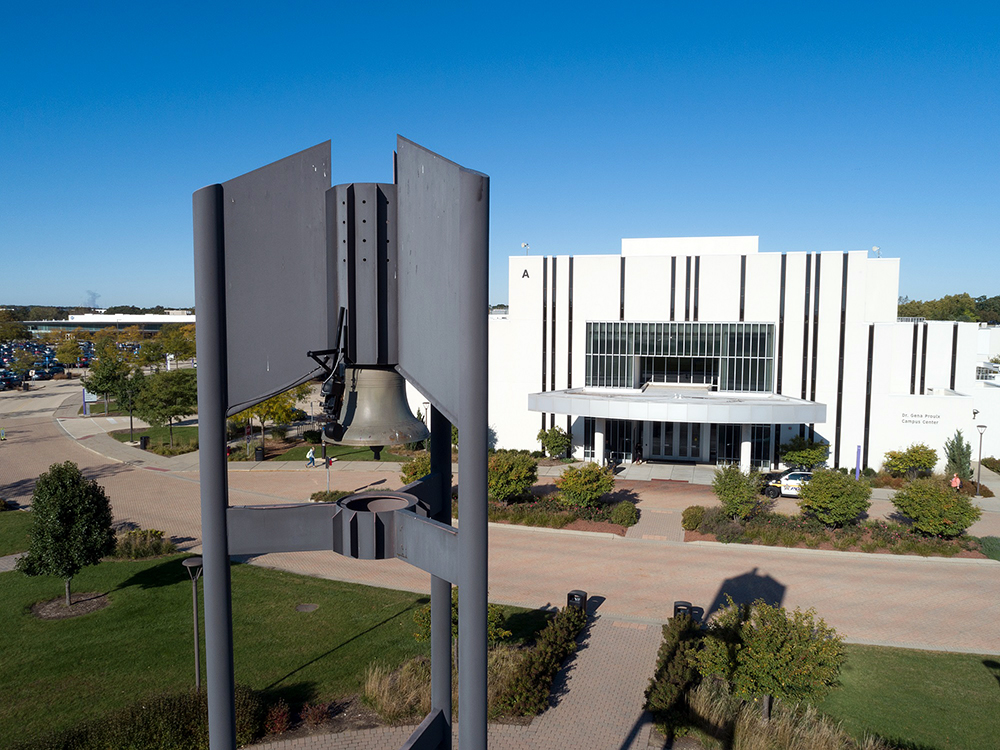
JJC Embarks on New 10-15 Year Facilities Master Plan Process
Meeting Briefs: Library Board of Trustees for June 24, 2025
Meeting Summary: Joliet Junior College Board of Trustees for June 25, 2025
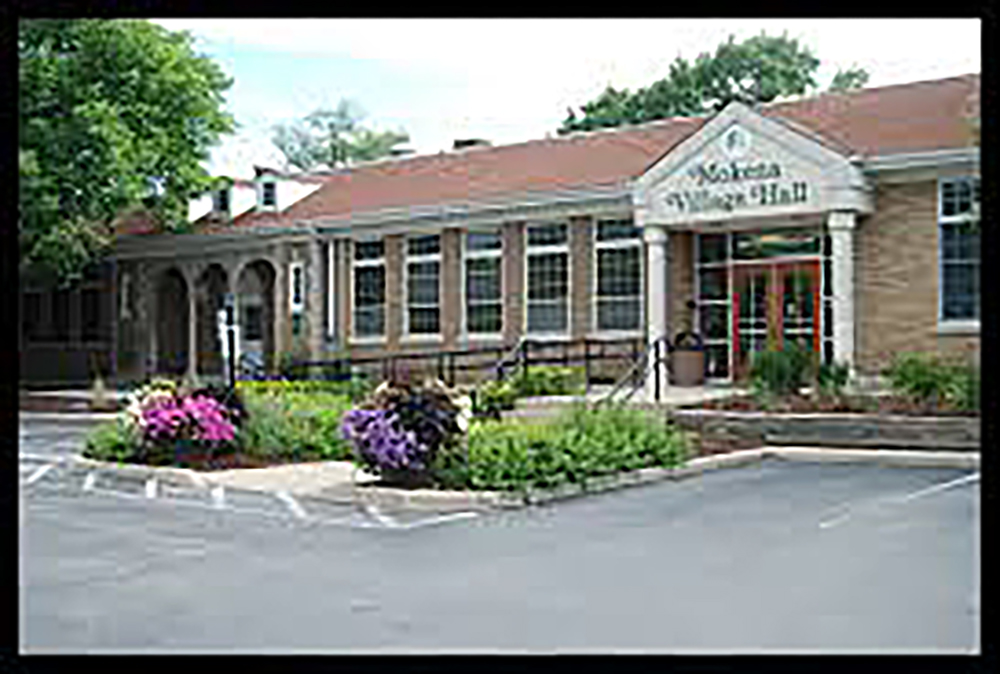
Mokena Enacts Local Grocery Tax to Avert $850,000 Revenue Loss
Mokena Dissolves Two Committees to Streamline Development Process
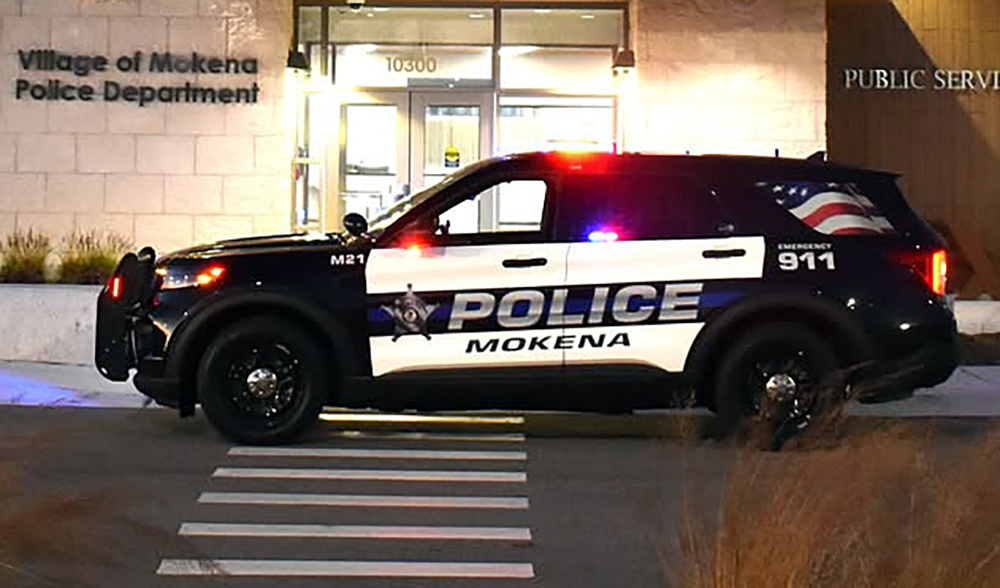
Mokena Police to Get New Axon In-Car Cameras in $176K Deal

Mokena Targets Invasive Callery Pear Trees for Removal
Meeting Briefs: Mokena Village Board for June 23, 2025
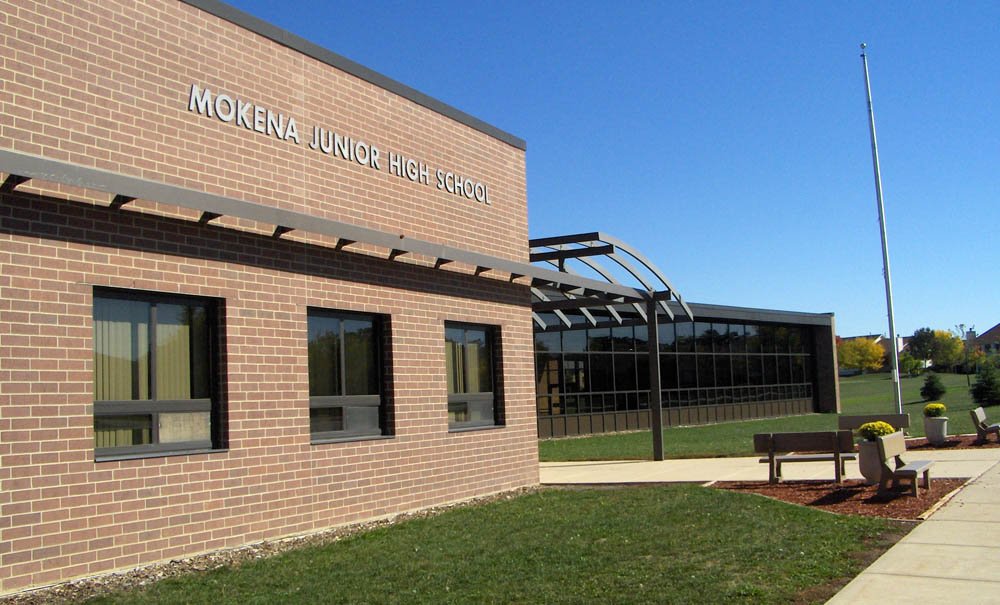
Mokena 159 Board Approves Amended Budget Amid Transparency, Deficit Concerns
Mokena 159 Board Signals Support for Recording Meetings After Public Push
District 159 Adopts ‘Wayfinder’ Program to Boost Middle Schoolers’ Social-Emotional Health
Mokena 159 Principals Report End-of-Year Academic Progress, Focus on Writing