
Trump rolls back tariffs on farm equipment, HVAC systems
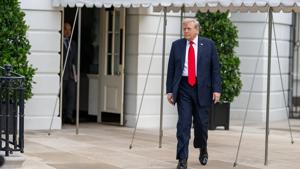
President Donald Trump reduced tariffs on certain agricultural equipment, residential air conditioning systems and industrial machinery, marking the second rollback of import taxes since returning to office.
The proclamation, which takes effect Monday, reduces certain Section 232 tariffs on agricultural equipment – including combines and harvesters – and certain residential heating, ventilation and air conditioning systems from 25% to 15%. It also temporarily reduces tariffs on certain mobile industrial equipment, including bulldozers and forklifts, imported from countries with U.S. trade agreements.
More broadly, the Tax Foundation estimates Section 232 tariffs on steel, aluminum and copper will cost the average U.S. household $600 in 2026 and reduce long-run GDP by 0.1% before accounting for foreign retaliation. The tariffs are projected to raise $380 billion in federal revenue over the next decade on a conventional basis.
Those estimates were published before Monday’s targeted tariff reductions.
The move follows a November 2025 decision that exempted more than 200 food and agricultural products from tariffs, which the administration said reflected progress in trade negotiations.
Equipment manufacturers welcomed the move but said broader tariff relief is still needed.
“The proclamation is a turning point and an important first step towards additional adjustments to Section 232 tariffs,” Kip Eideberg, senior vice president of government and industry relations at the Association of Equipment Manufacturers, told The Center Square.
The proclamation’s relief is limited in scope. The reduced 15% rate applies only to residential HVAC systems, leaving commercial systems still subject to the 25% rate.
The Air-Conditioning, Heating, and Refrigeration Institute, the industry’s primary trade association, declined to comment.
The reduced rates are temporary, expiring Dec. 31, 2027.
The White House said the sunset is intended “to spur near-term investments that will rebuild the Nation’s industrial base.”
Eideberg said manufacturers need “the certainty they need to continue to invest in America.”
Separately, a federal trade court in May struck down a 10% global tariff imposed under Section 122 of the Trade Act of 1974 – which gives the president authority to address balance-of-payments deficits – although that ruling remains on hold pending appeal. The global entry tariff is set to expire July 24. The administration has signaled it may impose a new round of tariffs under a third statute, Section 301 of the Trade Act of 1974, as early as July.
The White House pointed to manufacturing data as evidence its trade policies are supporting domestic industry, noting that the Institute for Supply Management’s Manufacturing PMI expanded for a fifth consecutive month in May, its highest reading since May 2022.
The survey also found manufacturing employment remained in contraction, and nearly 70% of respondent comments were negative, with tariffs and the U.S.-Iran conflict among the concerns cited by manufacturers.
Unless extended or made permanent, the tariff reductions will expire at the end of 2027, restoring the 25% rate on affected equipment and setting up another policy decision for the administration.





Chance Rain Showers then Mostly Sunny
Latest News Stories

New bill would force DCFS to disclose details on missing children

WATCH: Pritzker says Trump’s first year a failure; Raoul discusses prosecuting fraud

Illinois Quick Hits: Pritzker wants year-round E15 fuel

Report: University diplomas losing value to GenAI

Sanctuary Status Threatens Emergency Management Funding, Draft Report Warns

Haas Steps Down as Mokena Fire Board President

WATCH: Reclaiming the Panama Canal could be back on the table

Las Vegas tourism industry continues to decline

More states now offer school choice programs for families
Trump likely to make waves at biggest-ever World Economic Forum
Illinois House returns to session with plans for SAFE-T Act, Israel, taxes

Illinois quick hits: Bovino bounty trial to begin; Judge sentences Kentucky man to 15 years in drugs case; Pritzker criticizes Trump’s first year as Trump marks accomplishments