
Everyday Economics: A stable labor market is not enough
The May jobs report offered a measure of reassurance: the labor market is stable. Employers are still adding jobs, layoffs remain contained, and the economy is not showing the kind of “break” that typically signals an imminent downturn.That matters. A stable labor market provides the income floor that supports spending and keeps the gears of the economy turning. But stability is not a synonym for strength. For the modern consumer, the urgent question isn’t whether the paycheck is arriving – it’s how much of the grocery store that paycheck still buys.Currently, the answer is: less than it did a few months ago. As nominal wage growth cools and inflation remains stubborn, real wages are slipping. Workers are employed, but their purchasing power is eroding.The Consumption MirageThis distinction is critical because consumer spending often looks resilient even as household finances hollow out. Families don’t immediately surrender their standard of living when prices outpace raises; they absorb the hit first.They draw down pandemic-era savings, lean on credit, and “trade down” on brands. But because necessities like housing, utilities, gasoline and childcare aren’t optional, spending stays high even as the quality of that spending deteriorates. The surface remains calm while the pressure builds below.The Productivity Paradox: Why Tech Isn’t Rescuing the WorkerThis is where the artificial intelligence and productivity story takes a complicated turn for businesses. While we are seeing a genuine “technology shock” in the data – efficiency gains that mirror the early 1990s IT boom – the benefits are not being shared across the board.For businesses, the AI-driven productivity shift is creating a substitution effect. Firms are finding ways to produce more output with fewer labor hours. In a healthy “broad-based” boom, these efficiency gains would allow businesses to raise wages without sacrificing margins. Instead, we are seeing a divergence:For Firms: Technology is protecting margins. Businesses are becoming leaner and more efficient, allowing output to hold steady even as they slow their pace of hiring.For Workers: This “efficiency” means less leverage. Firms can grow without aggressively bidding up wages across the income distribution.The result is a productivity signal that looks great on a corporate balance sheet but feels invisible in a household budget. The economy is becoming more efficient, but that efficiency is acting as a buffer for corporate earnings rather than a lift for worker purchasing power.The Lagged Risk to DemandFor businesses, the danger is that this “absorption phase” eventually ends. Households can only rely on savings and debt for so long. By the time the consumer pullback finally shows up in sales volumes, the damage to household balance sheets is already done, which usually triggers a sharper-than-expected hit to future margins and hiring plans.The Fed’s Blind SpotThis creates a treacherous path for the Federal Reserve. A stable labor-market headline reduces the urgency for the Fed to pivot. However, if the FOMC reacts solely to “hot” inflation data by maintaining high rates, they risk missing the internal deterioration of the consumer.Higher rates cannot lower the price of eggs or insurance premiums, but they can make the credit that households are currently using as a lifeline much more expensive.The Bottom Line: The May jobs report suggests the engine hasn’t stalled, but the fuel – real purchasing power – is running low. Until inflation cools or productivity gains start trickling into paychecks, “stability” will continue to feel a lot like a squeeze.






Mostly Sunny then Slight Chance Showers And Thunderstorms
Latest News Stories
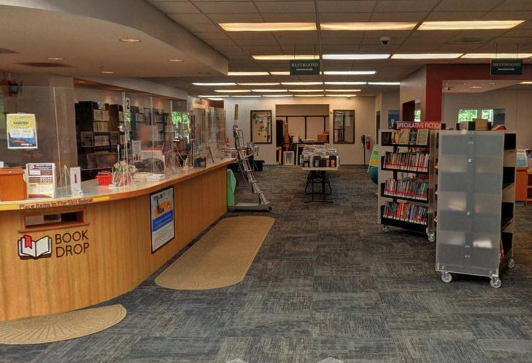
Library Explores New IT and Copier Services Amid Equipment Failures

JJC Embarks on New 10-15 Year Facilities Master Plan Process
Meeting Briefs: Library Board of Trustees for June 24, 2025
Meeting Summary: Joliet Junior College Board of Trustees for June 25, 2025

Mokena Enacts Local Grocery Tax to Avert $850,000 Revenue Loss
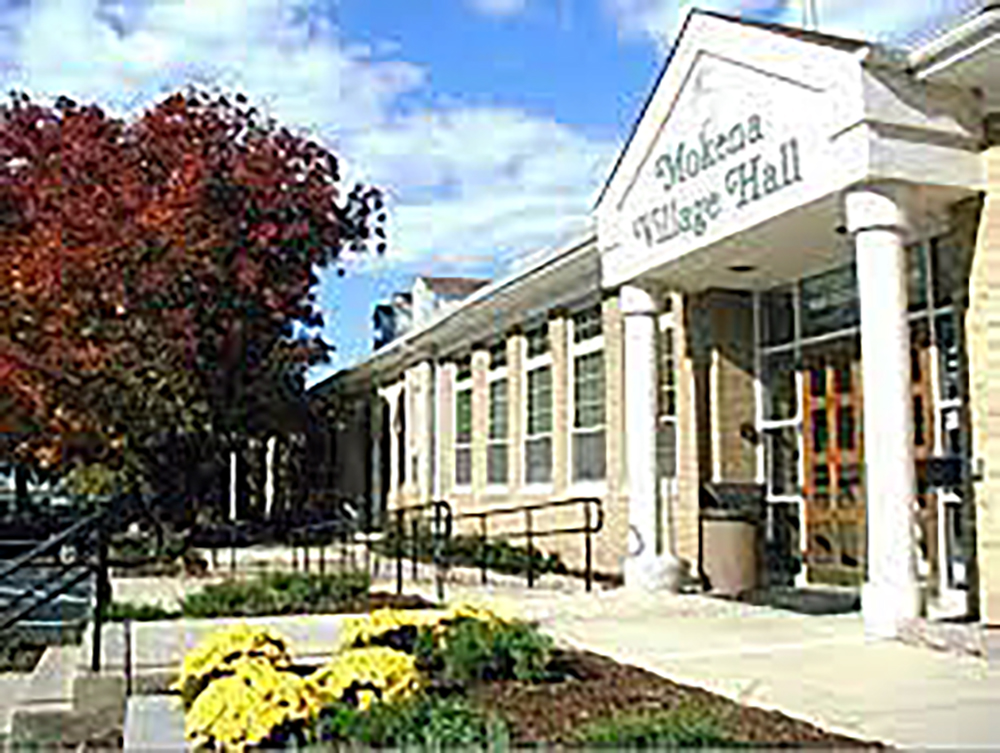
Mokena Dissolves Two Committees to Streamline Development Process

Mokena Police to Get New Axon In-Car Cameras in $176K Deal

Mokena Targets Invasive Callery Pear Trees for Removal
Meeting Briefs: Mokena Village Board for June 23, 2025

Mokena 159 Board Approves Amended Budget Amid Transparency, Deficit Concerns

Mokena 159 Board Signals Support for Recording Meetings After Public Push

District 159 Adopts ‘Wayfinder’ Program to Boost Middle Schoolers’ Social-Emotional Health