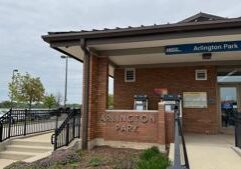
Changes made to Illinois public transport plan sends money downstate
(The Center Square) – A law expected to bring reform to public transportation in Illinois took effect at the start of the month, stemming from a $1.5 billion plan passed by the General Assembly late last year.
At the end of May, lawmakers decided to make tweaks before it came into effect.
The Northern Illinois Transit Authority was created to replace the Regional Transportation Authority and oversee the Chicago Transit Authority, Metra and Pace.
The reform is to be funded by a share of the state’s Road Fund, where the state places motor fuel tax income. It also allowed for a 0.25% increase in sales taxes in Cook and the collar counties.
State Sen. Ram Villivalam, D-Chicago, characterized new changes to the plan as mostly technical, with some being requested by the Illinois Public Transportation Association – which represents transit agencies across the state.
Speaking to his colleagues regarding the bill, Sen. Li Arellano, R-Genesso, said he was happy to again vote against the transit bill – which he said was one of the worst days in history for rural Illinoisans financially.
“This does not fix the core problem that we have shifted money away from rural areas and we’ve turned it into borrowing for our children,” Arellano said.
Of the changes presented in the trailer bill that passed near the end of the spring session was an update to what share of the transportation funds will be allocated to downstate transportation. The bill changes the percentage from 15% of the money to 10%.
The change in the percentages, according to Assistant Majority House Leader Eva-Dina Delgado, is technical in nature.
Rep. Ryan Spain, R-Peoria, contended the split was discussed at the 15% level when the body passed the full plan in October.
Delgado said the change isn’t impactful to those receiving the funds.
“I think it’s possible that when we were debating it, it wasn’t very clear,” Delgado said. “These are conversations that we’ve been having with the Illinois Public Transit Association – that is the association that represents all of the downstate transit agencies. They understood that this was a drafting error.”
Delgado also noted the state budget includes $500 million directed to downstate transportation as a “down payment” to solve the issue of access in getting from “point A to point B.”
In addition to the package providing the funds for downstate transit, it also allows for the creation of new grant programs to provide downstate residents reduced fares and to create cooperative public transportation networks – which would be created through and collaboration between local school districts, local governments, public career centers and technical education programs, serving those institutions.
The Senate also debated the changes before passing the 2027 state budget – which includes how the plans will be funded in the coming year.
State Sen. Donald DeWitte, a Republican budgeteer, described the follow-up bill as having “significant improvements,” before heavily questioning portions of the changes.
In the state spending package, NITA will be allowed to provide the suburban Pace bus system with $11.5 million for expenses related to disability access and paratransit improvements.
Though the original public transportation funding bill is already in place, the changes and subsequent funding for the coming year still need to be signed into law by Gov. J.B. Pritzker before taking effect.

Patchy Drizzle then Mostly Sunny
Latest News Stories
Chicago’s potential ‘teen takeover’ solutions cost taxpayers
Congressional proposal aims at ‘loophole’ for ideology policies

Illinois Quick Hits: Opioid overdose deaths decline in Cook County

WATCH: How data centers rescued a struggling central Washington community
Oppenheimer’s grandson supports nuclear energy bill
Trump expresses frustration with NATO as Rutte praises the president
Ex-fire chief sues Los Angeles mayor for defamation
Over $10 billion U.S. taxpayer dollars spent on improper SNAP payments in 2025

Teachers unions call for special session, more money

Illinois Quick Hits: Bond, TIF money helps fund Chicago neighborhood grants

Trump won’t sign bipartisan housing bill, reignites voter ID debate
Poll: Two thirds say gas prices will shape their November vote