
East-Mediterranean ‘commerce-over-conflict’ energy partnership launches in Houston
A new U.S.-Eastern Mediterranean energy “3+1 partnership” has launched among the U.S., Greece, Cyprus and Israel to establish energy security, peace and stability in the region.
The partnership is an outworking of an initiative launched under the first Trump administration when Congress passed the Eastern Mediterranean Security and Energy Partnership Act of 2019. It authorized the Department of State to enter into cooperative energy agreements with Greece, Cypress and Israel, and the Department of Energy to establish a joint U.S.-Eastern Mediterranean Energy Center in the United States. The center will advance cooperation in energy innovation technology, water science, and technology transfer.
On Thursday, U.S. Secretary of Energy Chris Wright announced that center would be housed at the Baker Institute for Public Policy at Rice University in Houston: the Eastern Mediterranean Energy Center (EMEC).
He also signed a Declaration of Intent with the Greece Minister of Environment and Energy Stavros Papastavrou, Cyprus Minister of Energy, Commerce, and Industry Michael Damianos, Israeli Ambassador to the United States Dr. Yechiel Leiter, and Rice University President Reginald DesRoches. U.S. Ambassador to Greece Kimberly Guilfoyle was also in attendance.
The agreement advances President Donald Trump’s commitment to strengthening U.S. partnerships with allies in the region where geopolitical turmoil is impacting global energy markets. Under the second Trump administration, as Russia-Ukraine and U.S.-Israel-Iran conflicts continue, the partnership is seen as a way for the U.S. to expand energy development, innovation and investment.
The goal of the partnership is to promote energy security, strengthen critical infrastructure, support emerging technologies, and advance long-term economic growth throughout the Eastern Mediterranean region to meet global energy demands, officials said. Focuses will be on natural gas development, U.S. LNG infrastructure, energy transportation networks, grid reliability, critical infrastructure resilience, as well as facilitating scientific and technical exchanges, research partnerships, workforce development initiatives, and engagement with industry stakeholders.
“The energy industry is by far the most important industry in the world, because the energy industry is what enables every other industry in the world,” Wright said to a full auditorium at Rice University. “The Eastern Mediterranean region is the birthplace of Western civilization, and an emerging energy powerhouse. The Eastern Mediterranean is an increasingly important region for global energy development, and this agreement strengthens cooperation among key allies while advancing our shared goals of energy abundance, economic prosperity, and regional stability.”
He also said the partnership was important “to use commerce to suppress conflict. That is the way to bring nations together when there is geopolitical tensions between countries.”
While others may look at geopolitical conflict as a zero-sum game with winners and losers, he said, with “commerce it’s entirely different. By building energy distribution and infrastructure, you bring countries and people together.”
The leaders of Greece, Cyprus and Israel “want to develop energy to bring better opportunities to their people … to their neighbors … and suppress and surpass conflict,” he said. “These are generational investments. They’re transforming the energy future of their nations” and the region, he said. The partnership of 3+1 “is just the start. To stitch a region together in commerce, not conflict.”
Greece Minister Papastavrou said the countries were “joining forces in order to deepen our strategic cooperation and strengthen our regional connectivity.” The new EMEC at Rice will “provide the permanent framework for advancing regional stability, energy security and economic cooperation [by bringing] together scientific knowledge, academic excellence, technological innovation and energy expertise at one of the leading academic institutions in the world,” he said.
EMEC’s launch also “sends an unambiguous message which needs to be heard loud and clear: energy must never be weaponized. Unilateral actions and threats, implicit or explicit, that undermine regional stability, have no place in our shared future,” he emphasized.
“Over the past years, our countries have worked together to transform the region defined not by division but by partnership,” he said. “Through the 3 + 1 framework, we have demonstrated that trusted partners with a common strategic vision can deliver tangible results, advanced research interests, and contribute to a more secure, prosperous, and affordable energy future.”
The partnership is “evolving into a catalyst for the next generation of strategic energy and connectivity projects across our region” that will strengthen Europeans’ energy security and positively benefit the broader region, including India and the Middle East, he said.
As conflict continues with Russia and Iran, he reiterated that “energy should be a source of stability and prosperity, not a tool of intimidation.”






Sunny
Latest News Stories
Green Garden Township Poised for First Major Subdivision in Years After Rezoning
County RNG Facility Shows Strong Performance Despite Solar Challenges
PZC Briefs: Solar Farm in Crete, Post-Fire Permit for Troy Business, and More
In Brief: Capital & IT News
Will County Finance Committee July 1 Meeting Briefs
Will County Public Works Committee Juliy 1 Meeting Briefs

New Lenox Library Board Seats New Trustees, Reorganizes After Election
New Lenox D122 Board Approves Nearly $300,000 for Summer Maintenance Projects
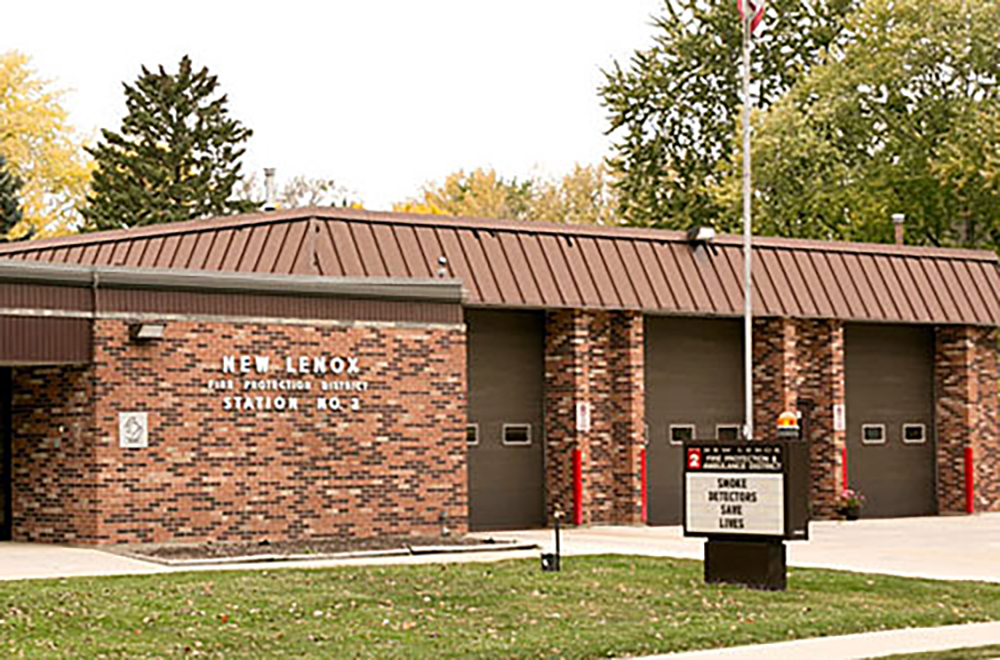
New Lenox Fire District to Launch Comfort Dog Program for First Responders, Community

Library’s ‘Studio’ Draws Record Crowds with New Tech and Creative Programs
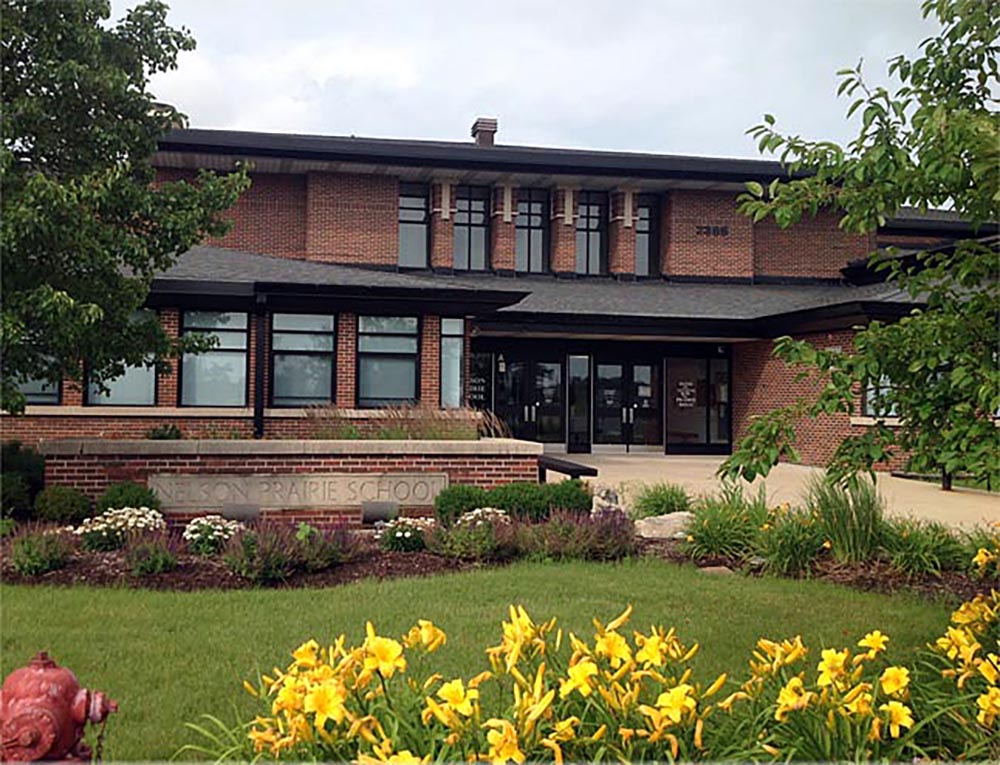
D122 to Spend $24,950 on Professional Enrollment Forecast
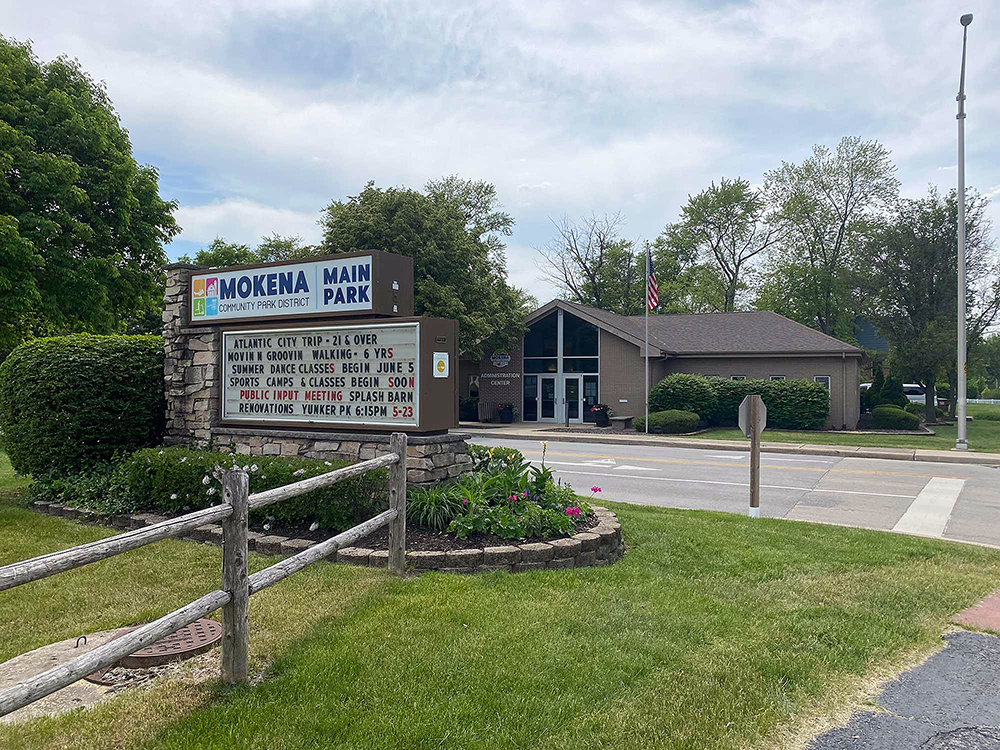
Mokena Park District Approves $550,000 Fund Transfer for Major Park Projects