Schools face bus funding, cost challenges
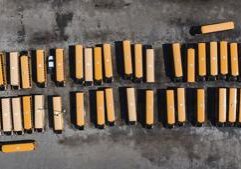
(The Center Square) – Public schools are facing bus transportation challenges due to higher costs and a shortage of drivers.
State Sen. Sally Turner, R-Beason, said the budget lawmakers approved for fiscal year 2027 is short on funding for school bus transportation.
“Not only do we have a lack of that that has been placed into the budget for this year, there’s also for those that are developmentally disabled that need to have that bus transportation to another area for them to get the proper education where they need,” Turner told The Center Square.
State Rep. Jay Hoffman, D-Swansea, said the budget includes an additional $300 million for public school districts.
“They obviously could use some of that money as they see fit for increasing school bus and transportation costs,” Hoffman told The Center Square.
Hoffman said he did not disagree with Turner, but he said a huge increase in gas prices this year has put a strain on school districts.
Illinois law does not require all school districts to provide free bus service, but community consolidated districts, community unit districts and consolidated districts are required to provide free transportation for pupils from kindergarten through 12th grade who live 1.5 miles or more from any school to which they are assigned.
Districts with a public mass transit system within their boundaries may exercise that option and are not required to pay the associated costs.
Hoffman said Illinois has had a shortage of bus drivers since the COVID-19 pandemic.
“So we did work with the Secretary of State’s office, who has now reached out to transportation entities, as well as school districts, to help recruit school bus drivers,” Hoffman said.
Hoffman said lawmakers made licensure changes to help and suggested lawmakers could do more to fund recruiting efforts.
A transit trailer bill that passed near the end of the spring session reduced the share of funds allocated to downstate transportation from 15% to 10%.
State Rep. Eva-Dina Delgado, D-Chicago, said the change was not impactful to those receiving the funds and said the budget includes $500 million directed to downstate transportation to solve the issue of access in getting from “point A to point B.”
In addition, Delgado said the legislation allows for the creation of new grant programs and cooperative public transportation networks that would involve collaboration between local school districts, local governments, public career centers and technical education programs.
Turner said a lack of funding for school bus transportation leads to higher property taxes.
“A lot of the different school districts are telling me that they’re having to grab money from different line items to try and supplement that transportation line item in their budgets. And a lot of their transportation levy line items are maxed out,” Turner said.
Turner also said higher gas and diesel prices are making it more difficult for school districts.
Sean Reed contributed to this story.




Mostly Sunny then Slight Chance Showers And Thunderstorms
Latest News Stories
Executive Committee Advances “Project Northwinds”: 2,475 Jobs and $346 Million Investment Proposed for Former Caterpillar, Lion Electric Sites
Land Use Committee Advances Mokena Scrap Yard and Homer Glen Landscape Business Over Local Objections
District 210 Reports Insurance Deficit Amid National Healthcare Cost Spikes; Finances Remain Stable

Planning Commission Backs 5-MW Peotone Solar Farm; Developer Pledges Pollinator Habitat and Community Funds
Mokena 159 Moves Forward with Over $1 Million in Summer Capital Project Plans
Joliet Junior College Board Approves $2 Tuition Increase Amidst Heated Debate Over Enrollment and Spending
Lincoln-Way Board Ratifies Three-Year Support Staff Contract with Significant Hourly Raises
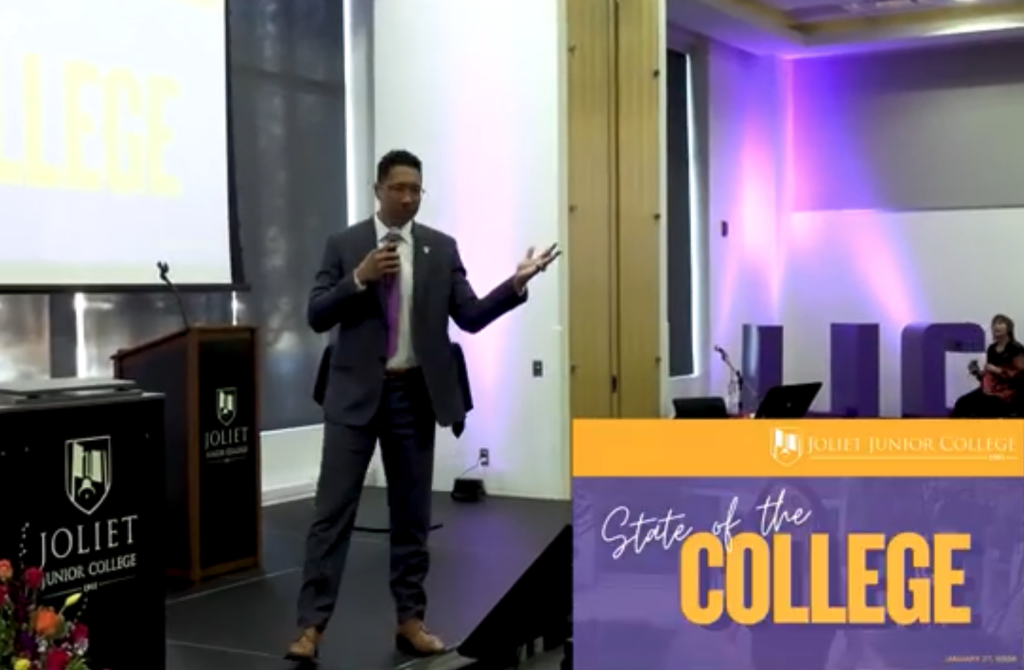
State of the College: Local Legislators Bolster Student Support Services

Meeting Summary and Briefs: Public Health & Safety Committee for February 5, 2026

State of the College: Dual Credit Program Enrollment Hits 6,000 Students
Meeting Summary and Briefs: Finance Committee for February 3, 2026
Fairmont Neighborhood Plan Update Prioritizes Infrastructure and Beautification Following Demographic Shift