
Trump floats USMCA exit; Midwest motorists, refineries could see hardship
(The Center Square) – President Donald Trump signaled he doesn’t intend to renew a trade agreement with Mexico and Canada, which could have major impacts on the nation’s economy, including another rise to the price of fuel for consumers at the pump.
On Wednesday, the president told reporters the U.S. doesn’t need what its bordering nations provide.
“USMCA did one thing that I loved. After six years, it comes up for renewal. I don’t know that I’m going to renew it because to be honest with you, United States does much better,” Trump said from his Oval Office desk. “We don’t need anything that Canada has. We don’t need anything that Mexico has, but they need everything that we have.”
In 2020, the USMCA trade agreement replaced North American Free Trade Agreement.
The agreement isn’t set to expire until July 2036, though it provides for regular review of the terms and the countries to negotiate every six years – with the first six-year term over at the beginning of July.
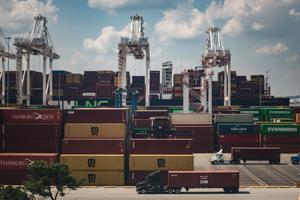
In terms of energy, the agreement provides that energy products like oil are not tariffed between the three countries, bolstering exports for the U.S., and providing reduced reliance on imports from other regions, according to documentation from the office of the United States Trade Representative.
According to the Canadian government, Illinois – the fourth largest state for oil refining capacity – imports the vast majority of oil to its refineries from Canada, totaling $45 billion in crude oil imports per year.
Patrick De Haan, a fuel markets expert and analyst, told The Center Square what potential impacts not renewing the agreement could mean for Illinois and the region.
“If the cost of Canadian crude goes up or if there’s a tariff on Canadian crude, that could eventually hit motorists simply because refineries in Illinois rely predominantly on Canada for oil,” De Haan said.
The analyst noted that the impacts would more than likely be felt down the road, rather than immediately, if Trump were to end the agreement and seek out tariffs on Canadian crude.
Asked if it could overlap with impacts felt by consumers due to the conflict between the U.S. and Iran – leaving the Strait of Hormuz mostly closed – De Haan said the two issues are different, but could provide stacked sourcing issues for Midwest refineries.
“If there was a tariff on Canadian crude oil it probably wouldn’t have much overlap, but it certainly would make it much more difficult for refineries in the Great Lakes – who have for decades been directly connected to Canada’s oil,” De Haan said.
De Haan said motorists in the Midwest should keep an eye out if the president chooses to back out, as it could impact their wallets in the future.
Mike Smith, of the United Steel Workers union, which represents many oil refinery workers in the region, told The Center Square that anytime there are issues with the supply of oil to a refinery, it may put jobs at risk.
“I would say there could be an impact – if there is a disruption in the crude supply – around not just the communities, but the workers and the workforce as companies make that decision on how to address it,” Smith said.
Dominic LeBlanc, Canada’s minister for U.S. trade, sent a letter to American and Mexican trade representatives earlier this month, calling on both parties to re-up on the agreement for another 16 years.
The next round of talks between the U.S. and Mexico are scheduled to take place in Washington D.C. next week, though it is unclear if the Trump administration will reconsider signing the agreement.






Chance Rain Showers then Mostly Sunny
Latest News Stories

Dems oppose Trump’s bid to end mail-in ballots, voting machines
After two weeks fleeing Texas, House Democrats return, quorum reached
Meeting Summary and Briefs: Mokena Fire Protection District Board of Trustees for July 8, 2025
Trump: Zelenskyy could end Russia-Ukraine war ‘if he wants to’

$750 million facility to protect Texas cattle, wildlife from screwworm threat

Chicago posts fewest homicides since 2016, arrests rate also declines
Three years later, Inflation Reduction Act blamed for higher Medicare costs

Illinois quick hits: Prosecutors charge two more in Tren de Aragua case; Senate Energy and Public Utilities Committee meets today; Illinois Little League team loses in World Series
Report: Human Rights Campaign pressures transgender procedures on minors

Everyday Economics: Housing market and Fed policy in focus in the week ahead
Executive Committee Considers $12,000 Strategic Planning Initiative with University of St. Francis

Mokena Fire Board Appoints Surdel as Commissioner, Increases Office Coordinator Hours