Feds plan for student loan interest rates could cost taxpayers
The U.S. Department of Education is reducing student loan interest rates for borrowers, but critics argue the move could cost taxpayers billions of dollars.
The Education Department announced this week that federal student loan borrowers enrolled in automatic payments will be eligible for a 1% interest rate reduction beginning July 1.
Borrowers who plan to enroll in auto pay by Sept. 30, 2026, and those who are enrolled, will receive this reduction in the interest rate through June 30, 2028.
Federal student loan interest rates currently range from 6.39% to 7.94% for undergraduate and graduate borrowers. The average student loan balance in the U.S. is about $40,000, while the federal student loan portfolio totals approximately $1.8 trillion.
Education Under Secretary Nicholas Kent said the Trump administration’s temporary student loan interest rate reduction is intended to help borrowers manage repayment and explore affordable repayment plan options.
Before COVID-19, over 80% of student loan borrowers were actively in repayment plans and currently, due to the previous administration’s policies on student loan forgiveness programs, only 40% are enrolled in either auto pay to active repayment.
The Committee for a Responsible Federal Budget, a Washington, D.C.-based nonprofit, criticized the Education Department’s new policy.
According to the organization, the change could cost taxpayers at least $5 billion and effectively amounts to a form of student debt cancellation because it reduces the total amount borrowers repay over the life of their loans rather than lowering monthly payments.
CRFB President Maya MacGuineas said the policy primarily benefits borrowers who are already making payments on their loans.
“Make no mistake: Quadrupling the auto-pay incentive is debt cancellation by another name. And worse, it’s targeted at people already making repayments,” MacGuineas said. “The auto-pay interest deductions don’t even reduce monthly payments or improve affordability — they just wipe out debt balances, especially for high-earning professionals that are already doing quite well.”
MacGuineas said expanding the discount could set a precedent for future administrations to further reduce or eliminate student loan interest rates through executive action.
Instead of expanding loan benefits, the CRFB said the Trump administration should focus on addressing the projected $100 billion shortfall in the Pell Grant program, which could reduce aid for low-income students.



Mostly Sunny
Latest News Stories
Meeting Summary and Briefs: Mokena School District 159 Board of Education for October 15, 2025
Meeting Summary and Briefs: Frankfort Township Board for September 8, 2025
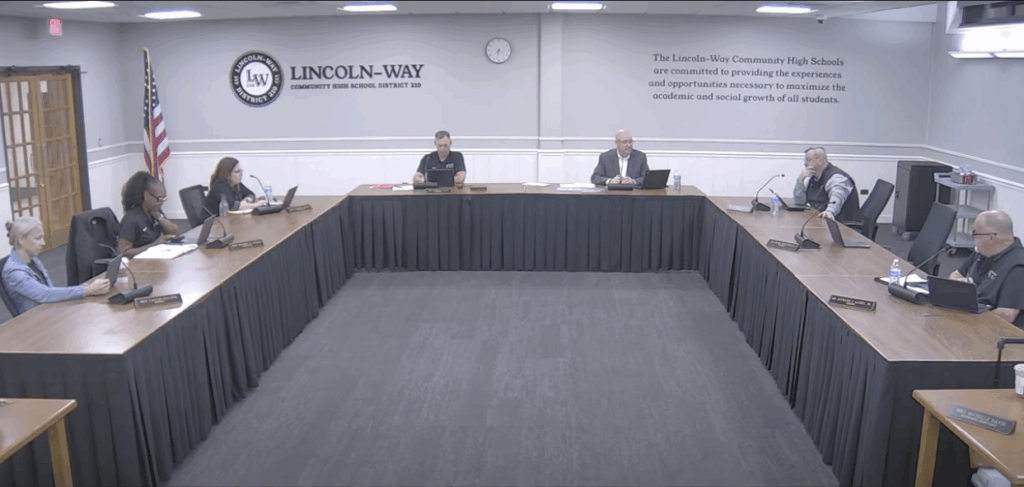
Lincoln-Way to Purchase New Buses, Add Smaller Vehicles to Address Driver Shortage
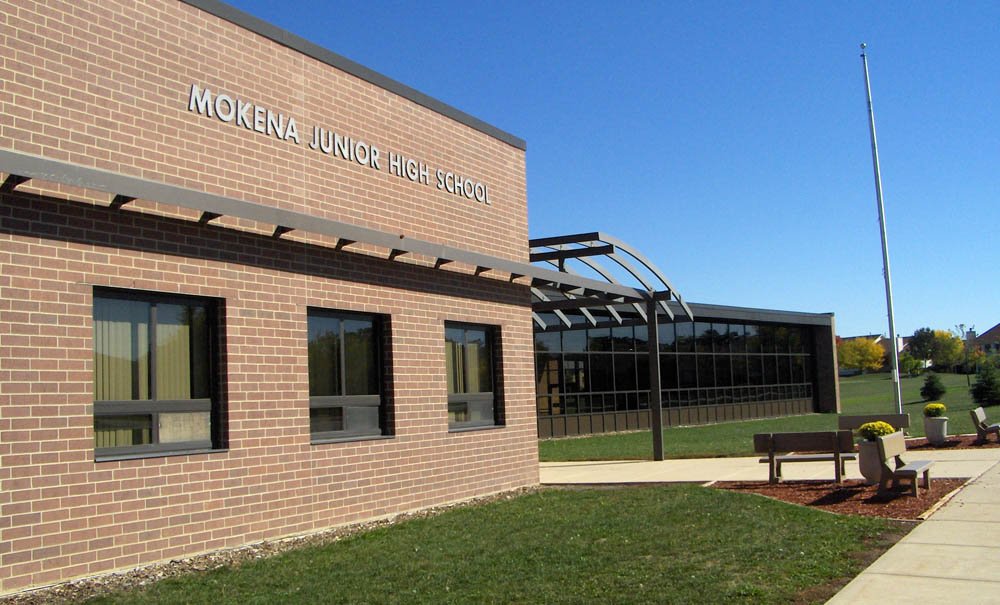
Mokena 159 Board Adopts New Policies on AI, Student Support Despite Dissent
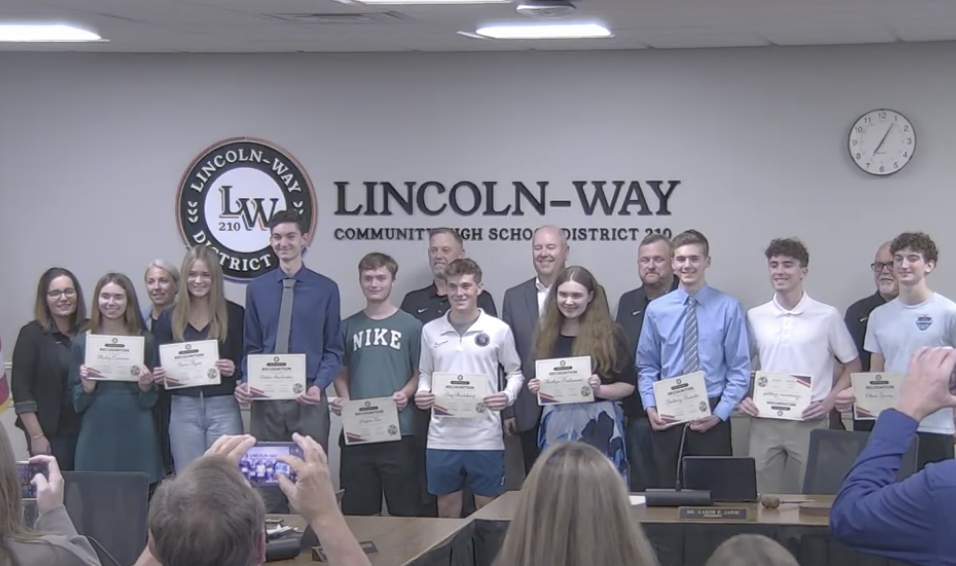
Lincoln-Way Board Honors Students with Perfect ACT Scores, Music Educator of the Year
Frankfort Township Board Denies Permit for New Bar on St. Francis Road

Mokena 159 Receives Clean Audit Report, Earns State’s Highest Financial Recognition
Meeting Summary and Briefs: Mokena Village Board for September 22, 2025
Lincoln-Way Support Staff Union Rejects Tentative Contract Agreement
Mokena to Replace Invasive Callery Pear Trees with Grant Funding
Meeting Summary and Briefs: Will County Board Legislative Committee for October 7, 2025
Mokena School Board Approves Pacts with Unions to Address Bus Driver Shortage