

Court unanimously rules against homeowners seeking fair market value after tax sale
In a 9-0 decision Tuesday, the U.S. Supreme Court ruled a Michigan family was not entitled to compensation based on the fair market value of a home sold in a tax foreclosure, saying such a requirement would impose “unprecedented burdens” on both local governments and taxpayers.
“Under Pung’s rule, a tax sale would often net the government a loss, paid out to the delinquent taxpayer himself, rendering tax sales infeasible as a debt-collection mechanism,” according to the court’s summary of the case.
In 2012, the Pung family of Isabella County, Michigan, owed about $2,200 in property taxes – an amount Micahel Pung disputed and his attorneys said was “improperly imposed.”
The county seized the home anyway to recoup the disputed debt, selling it at public auction for about $76,000, despite the property having an estimated fair market value of roughly $194,000.
Initially, the county kept all of the money from the sale, but the Pung family sued, and a district court ruled that the county owed the family the surplus proceeds, or the difference between the sale price and their debt.
The county relinquished the surplus proceeds to the Pung family, but the Pungs argued that the county had still violated the Fifth and Eighth Amendments.
The Fifth Amendment contains a clause called the Takings Clause, which prohibits the government from taking private property without offering “just compensation” to its owners. The Eighth Amendment contains the Excessive Fines Clause, barring the government from imposing excessive monetary penalties in connection with civil or criminal offenses.
Pung attorneys at the Pacific Legal Foundation argued that the surplus proceeds failed as “just compensation” and that seizing property whose value far exceeds the debt owed and compensating its owners based on “depressed auction sale price rather than the property’s fair market value” amounts to an excessive fine.
“While the government has the option to forcibly sell private property to collect unpaid taxes, it must act reasonably,” said Christina Martin, a senior attorney at the foundation, in an earlier interview with The Center Square. “It has to avoid unnecessary tax sales, which means it should never be forcibly auctioning homes to collect relatively tiny debts or improperly imposed debts.”
The court rejected these arguments.
“Our nation’s history and this court’s precedent thus establish the principle that when the government seizes and sells property to collect a debt, the owner is entitled to the surplus sale proceeds – nothing less, and nothing more,” wrote Justice Samuel Alito in the court’s majority opinion. “The baseline for measuring just compensation in the tax-sale context is therefore the sale price, not the property’s hypothetical fair market value, at least when the sale is fairly conducted in light of our country’s history of tax sales.”
Likewise, the plaintiff’s Eighth Amendment was found to lack “historical or precedential support.”
However, the court did leave open the possibility that the county may have engaged in unfair practices when it seized and auctioned the Pungs’ home. It vacated a lower court’s judgment on that matter and said the U.S. 6th Circuit Court of Appeals could decide whether to hear the plaintiff’s procedural arguments.
“What Isabella County did to the Pungs was wrong, and, on my initial view, likely unconstitutional,” Justice Clarence Thomas wrote in a concurring opinion, cited by the foundation. Justice Neil Gorsuch agreed.





Chance Showers And Thunderstorms
Latest News Stories
Will County Forges 2026 Federal Agenda Amid D.C. Policy Shifts, ‘Big Beautiful Bill’ Impacts
Health Department Seeks $1 Million Levy Increase to Prevent “Weakened System”
County Rolls Out New “OneMeeting” Software to Improve Public Access

Meeting Summary and Briefs: Will County Board Finance Committee for August 5, 2025
Will County PZC Approves Rezoning for Truck Repair Facility on Manhattan Road Amid Resident Concerns
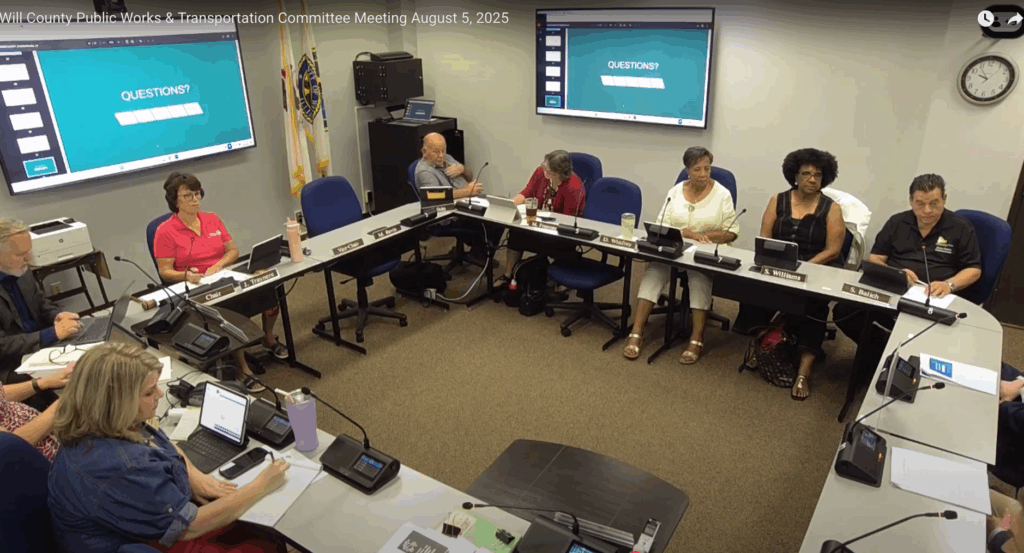
Key Stretch of Bell Road on Track for Thanksgiving Reopening, Committee Approves Additional Funds
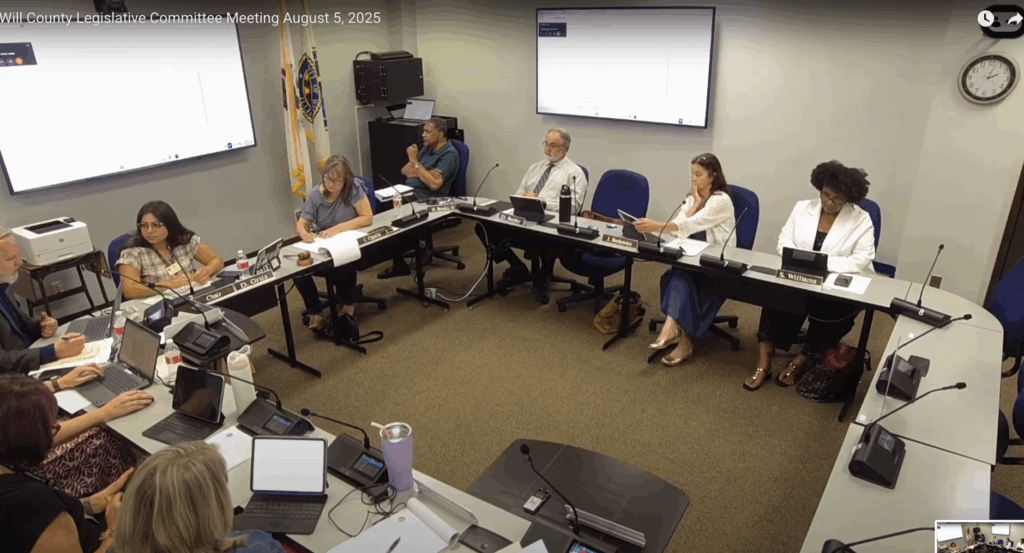
Will County Leglislative Committee Opposes Federal Push for Heavier, Longer Trucks
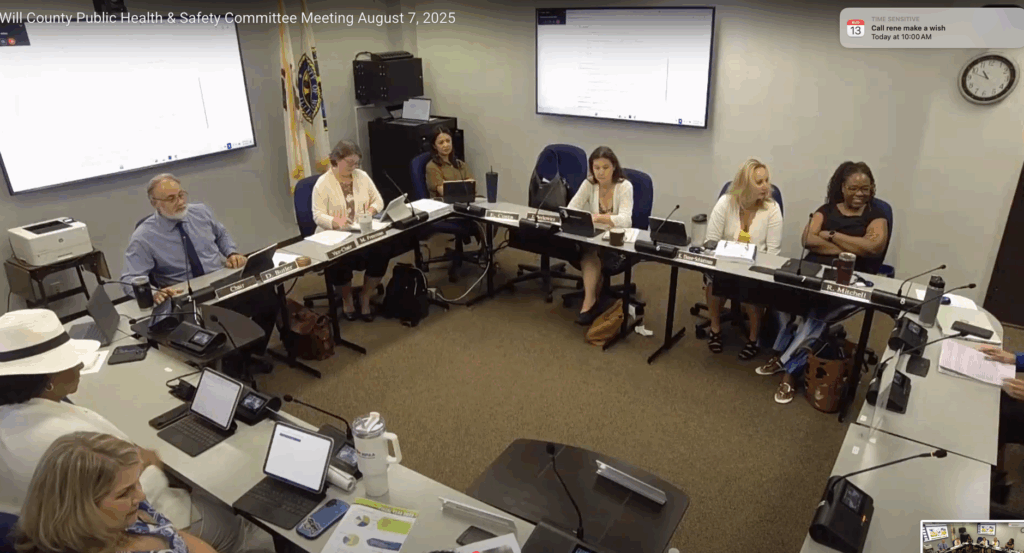
Will County Reports Progress in Opioid Fight, Highlights New FDA Labeling Rules
In-House Staff Completes Major Renovations at Will County Adult Detention Facility
Will County Advances Truck Repair Facility Plan on Manhattan Road Despite Resident Objections
PZC Grants Variance for Oversized Garage in Joliet Township, Reversing Staff Recommendation
Will County Public Works Committee Approves Over $1.1 Million in New Agreements for 80th Avenue Project