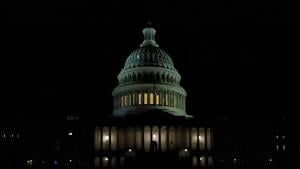
U.S. citizenship to be focus of congressional hearing Wednesday
Protecting U.S. citizenship will be the subject of a Congressional hearing Wednesday, less than two weeks before Americans celebrate the 250th anniversary of the nation’s founding.
The U.S. Senate Committee on the Judiciary’s Subcommittee on the Constitution will hold the hearing at the Dirksen Senate Office Building.
The hearing comes as lawmakers continue debating issues surrounding citizenship, immigration policy, and national security. The hearing will be chaired by Sen. Eric Schmitt, with Sen. Peter Welch serving as ranking member.
The hearing is expected to combine many of the themes that have emerged in previous constitutional and immigration hearings, examining topics ranging from naturalized citizenship and ongoing immigration policy debates to congressional oversight of immigration-related issues raised in past hearings.
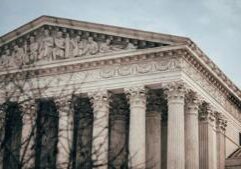
On his first day in office, President Donald Trump signed an executive order seeking to deny automatic U.S. citizenship to babies born on American soil to parents who are neither US citizens nor lawful residents, also known as birthright citizenship. The executive order was challenged in the courts on Trump v. Barbara case, and the U.S. Supreme Court is expected to rule on the case before the end of June.


Partly Sunny
Latest News Stories
Abbott lauds Supreme Court’s second ruling upholding Texas’ new congressional maps
Illinois quick hits: Appeals court upholds Madigan corruption conviction
Special session for congressional maps set to convene
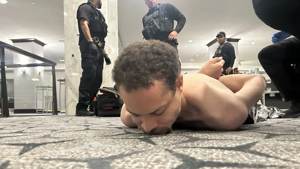
Trump officials explain assassination attempt charges on alleged attacker
Virginia Supreme Court questions redistricting process
Tillis affirms support of Warsh ahead of Wednesday vote

Jack Daniel’s maker faces foreign takeover push

Pritzker pushes housing plan described as ‘all stick,’ no carrot
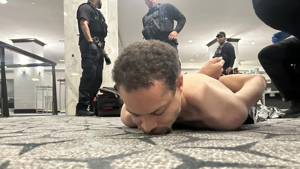
Alleged attacker charged with attempted assassination of Trump
Republican lawmakers say shooting proves need for Trump ballroom
White House calls for DHS funding after correspondents incident
Report: $186 billion in federal payment errors likely an undercount