Over $10 billion U.S. taxpayer dollars spent on improper SNAP payments in 2025
U.S. states and territories made a collective $10 billion in improper payments to SNAP recipients nationwide in fiscal year 2025, the U.S. Department of Agriculture reports.
The average error payment rate, which includes both over- and underpayments, was roughly 10.6%, well above the congressionally set threshold of 6%.
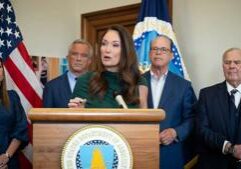
“These payment error rates are further proof that state accountability is severely lacking in SNAP,” USDA Secretary Brooke Rollins said Wednesday. “USDA has taken historic action to help interested states curb SNAP waste, and I hope other states, regardless of political leadership, prioritize needy families and the American taxpayer over politics.”
Alaska, the District of Columbia, New Mexico, Delaware, and Georgia had the highest average payment error rates, all surpassing 15%, with Alaska’s topping 23%.
Those same states, when removing Georgia with Oregon, also had the highest overpayment rates, with the national average hovering around 9.3%.
The findings are an early warning sign for the states and territories with average payment error rates at or above 6%. Starting in fiscal year 2027, which begins Oct. 1, states and territories that don’t get their error-rate average down will shoulder a larger percentage of the program’s administrative costs.
Unlike with other federal entitlement programs, states currently do not contribute any dollars to actual SNAP benefits. The U.S. government covers 100% of the cost of benefits and 50% of states’ administrative costs, spending $101.7 billion U.S. taxpayer dollars on SNAP in fiscal year 2025.
Under congressional Republicans’ “One Big Beautiful Bill,” which became law in July 2025, states or territories with SNAP payment error rates at or over 6% will pay 75% of the program’s administrative costs. They will also be responsible for covering up to 15% of their state’s benefits cost depending on how high the error rate is.
Currently, only 10 governors can claim average SNAP payment error rates below 6%.
South Dakota had both the lowest payment error rate overall, roughly 2%, and the lowest overpayment error rate, roughly 2.5%. Overall payment error rates and overpayment error rates were less than 4% in Idaho and Wyoming.
USDA Deputy Secretary Stephen Vaden said the news “is not positive for most states.”
“If you accept federal dollars, you must administer the program with integrity and by the rules of the road,” Vaden posted on X. “Anything less than that is disrespectful to the program, its beneficiaries, and to the millions of taxpayers footing the bill.”




Partly Sunny
Latest News Stories
Board Approves $479,000 Wireless Network Overhaul to Replace Aging Tech
Principals Present Mid-Year Data Showing Gains in Writing and Math Proficiency
Executive Committee: Tension Rises as Republican Whip Removed from Panel
Ad-Hoc Committee: County Stripped of Power to Regulate Motor Races, Must Drop Solicitor Fees Due to State Statutes

Commission Overrides Staff Recommendation, Approves Manhattan Township Barn Expansion
Executive Committee Advances “Project Northwinds”: 2,475 Jobs and $346 Million Investment Proposed for Former Caterpillar, Lion Electric Sites
Land Use Committee Advances Mokena Scrap Yard and Homer Glen Landscape Business Over Local Objections
District 210 Reports Insurance Deficit Amid National Healthcare Cost Spikes; Finances Remain Stable
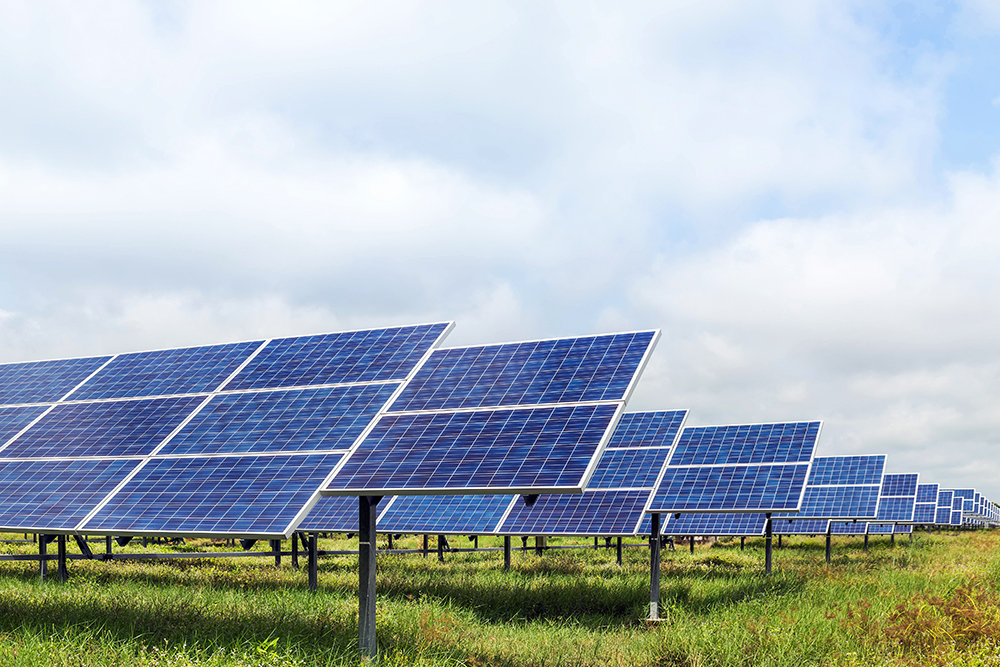
Planning Commission Backs 5-MW Peotone Solar Farm; Developer Pledges Pollinator Habitat and Community Funds

Mokena 159 Moves Forward with Over $1 Million in Summer Capital Project Plans

Joliet Junior College Board Approves $2 Tuition Increase Amidst Heated Debate Over Enrollment and Spending
Lincoln-Way Board Ratifies Three-Year Support Staff Contract with Significant Hourly Raises