
WATCH: Free speech lawsuit targets University of Minnesota gender policies
The University of Minnesota is facing a lawsuit alleging school policies on gender violate students’ First Amendment rights.
The lawsuit, filed by the Southeastern Legal Foundation on behalf of Young America’s Foundation students, challenges university policies that define certain speech about gender identity and transgender issues as “hostile environment sexual harassment” and require the use of preferred pronouns. It was filed in the U.S District Court for the District of Minnesota.
“These are blatant First Amendment violations,” Kimberly Hermann, president of the Southeastern Legal Foundation, told The Center Square in an exclusive interview.
According to the foundation, university policies could subject students to disciplinary action for expressing belief that there are only two genders, objecting to transgender individuals in sex-segregated spaces like bathrooms, or refusing to use preferred pronouns.
Hermann said the policies create a school environment where students must carefully monitor their speech.
“The university essentially says that if you believe in biological sex and you so much as say a boy is a boy, a girl is a girl, or if you’re a female student and a biological male is in the bathroom and you say you’re uncomfortable, then you could be brought up on harassment charges, potentially even expelled from the university,” Hermann explained.
The SLF, a conservative legal organization, is hoping for a court order that will declare the policies unconstitutional. It is asking for nominal damages of $1.
“This is not a case about money,” Hermann said. “It’s a case about the Constitution.”
The University of Minnesota did not respond to a request for comment from The Center Square regarding the lawsuit.
Jackson Barrick, a senior at the University of Minnesota and a member of Young America’s Foundation, said the policies have created uncertainty for students on campus.
“It’s been really challenging,” Barrick told The Center Square, “To make sure I’m not put under academic suspension or further repercussions.”
Barrick said students, because of the policies, often hesitate to express dissenting views in classrooms because they fear social or academic consequences.
“You don’t really want to say anything because odds are pretty heavily against you,” Barrick said. “It’s kind of that culture of homogeneity where people aren’t exposed to different ideas.”
Barrick explained the broader effects this is having on students across Minnesota.
“This affects 70,000 students across five campuses in pretty much every corner of the state,” Barrick said. “It’s about encouraging that healthy environment and the ability to conduct reasonable debate or reasonable conversation without fear of the university going against you.”
Hermann argued the school’s policies amount to both viewpoint discrimination and compelled speech. She said similar policies have been challenged elsewhere and expressed confidence the lawsuit will succeed.
“Many courts have already said that policies like this are unconstitutional. They haven’t stopped doing it to this point, and there’s been lots of warning shots,” Hermann said. “The reach of this lawsuit can be absolutely tremendous when we win it.”
She said the foundation is hopeful the lawsuit will quickly strike down the policies and affirm students’ free speech rights.
“These students are paying a tremendous amount of money to go to these universities across our country to get an education. Not to be silenced, not to be shamed for their beliefs in basic common sense,” Hermann said. “They need to stop, and until they do, we will keep filing lawsuits just like this throughout the entire country.”






Patchy Fog then Mostly Sunny
Latest News Stories

$580B federal highway bill clears committee; includes rail safety, EV fees
Tennessee smuggling charges against Kilmar Abrego Garcia dismissed

NASA reorganizes to accelerate Moon Base, lunar programs

Gabbard announces resignation, cites personal reasons

Illinois Quick Hits: Community College reimbursement bill passed
Powell out, Warsh in as new chair of Federal Reserve

Nessel pushes back as Trump administration extends order keeping coal plant open

Bipartisan praise for federal charges in Minnesota fraud cases

Congress rejects Trump’s proposed NASA budget cuts

Comptroller, Chicago officials debate tax fund sweeps

No public funds for new transit safety group
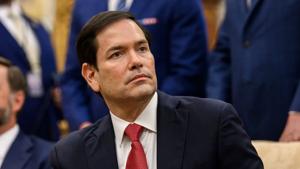
The future of American troops in Europe; Iran lead Rubio’s meeting with NATO