Taxpayer cost questions surround push for suicide prevention measures on I-74 Bridge
(The Center Square) – Suicide prevention advocates are renewing calls for safety measures on the Interstate 74 Bridge, arguing that barriers, crisis hotline signage and emergency call boxes could help save lives and reduce suicide attempts.
Jon Zumkehr, president of American Federation of Government Employees Local 4070, said the effort aims to start a broader conversation about incorporating suicide prevention features into bridge design and infrastructure projects.
“We want those conversations to be started,” Zumkehr said. “Whether it’s a sign, whether it’s a call box, whether it’s netting, we want evidence-based prevention measures.”
The push follows outreach efforts by the Gray Matters Collective, a Quad Cities-based suicide prevention organization. Zumkehr said the group recently brought suicide prevention advocate Kevin Hines to the region to share his story. Hines survived a jump from the Golden Gate Bridge and later advocated for the installation of safety netting on the California landmark.
The final cost of the Golden Gate Bridge suicide deterrent net was about $224 million, according to the Golden Gate Bridge District. The project was funded through a combination of federal and state grants, bridge toll revenue, mental health funds, and private donations.
According to Zumkehr, opponents of adding prevention measures often argue that the improvements would be a waste of taxpayer money or that suicides cannot be prevented through physical infrastructure changes.
“Some people say you can’t save every life,” Zumkehr said. “We simply disagree on that because there is evidence that these measures work.”
Zumkehr said he did not have a total number of suicides on the I-74 Bridge. Public agencies also do not publish a year-by-year breakdown for the structure, and no official trend line exists.
Available reporting shows at least one publicly documented suicide on the bridge in recent years, along with additional reported incidents and attempts, but no verified cumulative totals are released by state or local authorities.
Zumkehr said the Quad Cities region experiences a suicide rate higher than the national average and noted that the I-74 Bridge has become a highly visible location for suicide incidents.
“Every life lost is a person, it’s a family, it’s a father, it’s a mother,” he said.
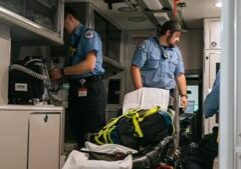
Zumkehr referenced the recent death of a correctional officer who died by suicide after jumping from the bridge and said another report involving an attempted bridge jump surfaced in the region within the past week.
While no cost estimates have been provided for potential improvements to the I-74 Bridge, Zumkehr said integrating suicide prevention features into future bridge projects, including discussions surrounding a new Interstate 80 bridge, could reduce costs compared to retrofitting existing structures.
Gray Matters Collective founder and Executive Director Haley DeGreve said obtaining official statistics on suicides and suicide attempts connected to the I-74 Bridge has been difficult because of privacy concerns and inconsistent reporting among agencies.
However, she said first responders, community members and mental health advocates have reported a noticeable increase in bridge-related suicide attempts and deaths in recent years, prompting renewed calls for prevention measures.
DeGreve said her organization is urging Illinois and Iowa transportation officials to begin with visible 988 crisis hotline signage and other intervention tools while exploring longer-term options such as physical barriers or safety netting, which she described as among the most effective evidence-based suicide prevention measures.
“We’re not demanding one solution,” Zumkehr said. “We want politicians, community groups and stakeholders to bring this issue front and center and have a conversation about what works.”
Zumkehr encouraged public officials to consider measures including physical barriers, emergency phones connected to the 988 Suicide and Crisis Lifeline and highly visible crisis intervention signage.





Mostly Sunny
Latest News Stories
War of words reignites with Trump, Pritzker, Bailey

Judge won’t let ConAgra off hook in class action over fish fillet brine
Meeting Summary and Briefs: Will County Board Legislative Committee for May 5, 2026
Meeting Summary and Briefs: Will County Board Executive Committee for May 14, 2026
Will County Executive Committee Splits on Whether to Ask Voters About Single-Member Districts
Will County Departments to Stop Accepting Pennies, Rounding Down Cash Transactions
Legislative Committee: Federal Update Highlights $79 Billion ICE Funding and DHS Reconciliation
Will County Executive Committee Backs Funding Pursuit for $2.33 Million Harris Drive Property Buyouts
Will County Division of Transportation Requests $1 Million Increase to Highway Levy to Combat Inflation
Will County Hears Proposal to Establish County-Focused Land Bank for Distressed Properties
Will County Executive Committee Recommends 600 MW Pride of the Prairie Solar Project in 6-5 Split Vote
Aging Systems and Judicial Mandates Drive Significant FY2027 Budget Requests for Will County Courts and Sheriff