
Lawmakers debate GLP-1 regulation, expansion
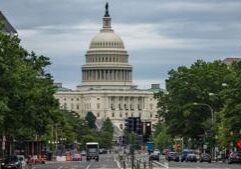
Lawmakers pushed for more regulations and safety standards on popular weight loss medications, including GLP-1 prescriptions, at an event in Washington, D.C., on Wednesday.
Rep. Rudy Yakym, R-Ind., touted the Safe Drugs Act, legislation that would require compounding pharmacies to follow the same regulations as traditional drug manufacturers.
Compounding pharmacies are large drug manufacturers, typically producing more than 100 different medications and a popular producer of GLP-1 medications.
The legislation would require the facilities to undergo annual FDA inspections and disclose the materials included in manufactured drugs.
“As it relates to health and safety in this country, we should be raising the standards for safety,” Yakym said. “The ability to just simply pass an FDA inspection before you start manufacturing, I mean, that’s a basic fundamental requirement.”
Scott Kahan, director of the National Center for Weight and Wellness said GLP-1 medications have exploded into the weight loss industry because of obesity problems across the country. He supported efforts to require drug manufactures undergo regular FDA inspections.
He also said many compounded drug manufacturers are not selling weight loss medication at cheaper rates. Kahan recounted an example of a female patient who sought weight loss medications at a price he deemed too high.
“In many cases, I don’t even think they’re necessarily saving patients a lot of money,” Kahan said. “There’s this myth that the compounds are really cheaper.”
Yakym has also advocated for expanding Medicare to cover GLP-1 medications. He said expanding access to the medications could reduce costs associated with obesity.
“When people reduce obesity in their own lives, they have less chronic diseases, they have less surgeries, they have less time in the hospital,” Yakym said. “That should lead to a lower overall cost of health care in the United States.”
Yakym said the investment to expand Medicare would likely come with a high upfront cost. However, he argued the benefits of lower long-term health prices would balance out with the costs.
“If we can make some investments up front in healthcare to get long-term payoff and long-term savings, and by the way, also have Americans who are much healthier, I think that’s a good thing,” Yakym said.
Nikki Budzinski, D-Ill., who also supports the Safe Drugs Act, called for weight loss alternatives. She said preventative health care, better diets and access to nutritious foods could curb GLP-1 use.
“What we’re doing overall within the preventative healthcare system to incentivize people taking advantage of preventative healthcare could maybe head off some patients from [taking] GLP-1s,” Budzinski said.






Mostly Sunny
Latest News Stories

Judge won’t let ConAgra off hook in class action over fish fillet brine
Meeting Summary and Briefs: Will County Board Legislative Committee for May 5, 2026
Meeting Summary and Briefs: Will County Board Executive Committee for May 14, 2026
Will County Executive Committee Splits on Whether to Ask Voters About Single-Member Districts
Will County Departments to Stop Accepting Pennies, Rounding Down Cash Transactions
Legislative Committee: Federal Update Highlights $79 Billion ICE Funding and DHS Reconciliation
Will County Executive Committee Backs Funding Pursuit for $2.33 Million Harris Drive Property Buyouts
Will County Division of Transportation Requests $1 Million Increase to Highway Levy to Combat Inflation
Will County Hears Proposal to Establish County-Focused Land Bank for Distressed Properties

Will County Executive Committee Recommends 600 MW Pride of the Prairie Solar Project in 6-5 Split Vote
Aging Systems and Judicial Mandates Drive Significant FY2027 Budget Requests for Will County Courts and Sheriff

Meeting Summary and Briefs: Will County Planning and Zoning Commission for May 5, 2026
Meeting Summary and Briefs: Will County Board Public Works & Transportation Committee for May 5, 2026
Will County Legislative Committee: Pushes Forward with Ban on Cryptocurrency Kiosks