Trump ‘final dealmaker’ on Saudi nuclear deal, Leavitt says
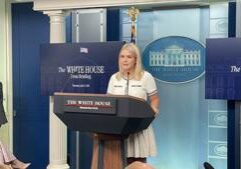
President Donald Trump is working on possible nuclear deal with Saudi Arabia that would stand for three decades and involve U.S. companies, White House Press Secretary Karoline Leavitt said Thursday.
The president announced a deal that would allow Saudi Arabia to develop a civilian nuclear program if it agreed to the Abraham Accords, a cooperation between Israel and majority-Muslim nations in the Middle East.
The deal is expected to last 30 years and could include U.S. companies helping develop the program through exports. The administration has not publicly released the a framework for a deal. Trump has stressed no nuclear material would be enriched as part of a potential deal.
Leavitt said the nuclear deal would only pertain to non-military use in Saudi Arabia and that Trump has pushed for the countries across the Middle East to normalize relations with Israel.
“He wants to see these countries sign the Abraham Accords,” Leavitt said. “It was one of the most historic accomplishments of his first term and it continues to be a long-term goal of his to expand those accords and ultimately come to a place where the Middle East can be a peaceful and stable region.”
Leavitt said Trump is the “final dealmaker” when negotiating nuclear programs with the other nations. She said the president has spoken numerous times with Saudi Arabian leaders on the deal and made them aware of the need to agree with the Abraham Accords.
“The deal that has been discussed thus far and will continue to be discussed absolutely puts America first and that’s obviously very important to this president,” Leavitt said.
She said Trump has spoken to Mohammed bin Salman, the leader of Saudi Arabia, about the deal several times in previous meetings. Saudi Arabia has previously said it would not enter into the Abraham Accords unless there is recognition of a Palestinian state.
Leavitt also denied that Israel Prime Minister Benjamin Netanyahu asked for a provision to be included in the deal that would require Saudi Arabia to sign on the Abraham Accords.
“It was the president and his team in the first term that began and signed the Abraham Accords with several countries in the region,” Leavitt said. “The president obviously wants to expand on that historic accomplishment from his first term.”
The nuclear deal would need approval from Congress before it is implemented.






Mostly Sunny
Latest News Stories
Powell out, Warsh in as new chair of Federal Reserve
Nessel pushes back as Trump administration extends order keeping coal plant open
Bipartisan praise for federal charges in Minnesota fraud cases
Congress rejects Trump’s proposed NASA budget cuts

Comptroller, Chicago officials debate tax fund sweeps

No public funds for new transit safety group
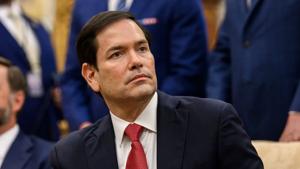
The future of American troops in Europe; Iran lead Rubio’s meeting with NATO
Tennessee congressman files articles of impeachment against Roberts
Illinois Quick Hits: Chicagoland chamber opposes ditigal ad tax
Board suspends Camp Mystic co-owner’s nursing license

Illinois bill banning ‘easily convertible’ handguns could pass this session

Deadline approaches for $1 million school choice award

Biometrics privacy law’s territorial reach limited, appeals court says
Watchdog says Biden Education Department defied court order on Title IX enforcement