States push back on exclusion of noncitizens from SNAP
California Attorney General Rob Bonta joined 21 other state attorneys general in sending a letter this week to the U.S. Department of Agriculture, pushing back against guidance on the nation’s food stamp program.
Their letter asked for reconsideration of the USDA guidance, which would exclude noncitizens who are permanent residents from eligibility for the federal Supplemental Nutrition Assistance Program. The USDA manages SNAP.
SNAP, which is known as CalFresh in California, would exclude noncitizen permanent residents, including humanitarian refugees, from being able to continue receiving SNAP benefits, according to USDA guidance.
According to Bonta’s office, the USDA interpreted H.R.1, the One Big Beautiful Bill Act, to make that exclusion, barring certain noncitizens from being eligible for the federally funded SNAP program. That interpretation is wrong, the California attorney general’s office said.
“The USDA wants states to implement confusing and inaccurate interpretations of the law that would wrongfully deny eligibility for food assistance to thousands of lawfully residing immigrants,” Bonta said in a press release Wednesday. “If USDA’s guidance is not fixed, certain legal permanent residents could needlessly go hungry. I urge the USDA to take immediate action to rectify its errors.”
Noncitizens are eligible to receive SNAP benefits if they become permanent residents, the press release said. In the letter sent to the USDA, Bonta and the other state attorneys general whose names are on the letter said they were concerned humanitarian migrants, in particular, would be wrongfully excluded from receiving these benefits.
This can mean less or no money for groceries for many families, according to the National Immigration Law Center.
“In a family with a mom who is a refugee with two U.S. citizen children, the mom would lose SNAP eligibility, but the two children would still be eligible,” the National Immigration Law Center wrote in a blog post. “The family would receive pro-rated assistance, which means they would have fewer dollars each month.”
The One Big Beautiful Bill Act, which passed in Congress in July, amended the Food and Nutrition Act of 2008 to take SNAP eligibility away from those who came to the United States as migrants, the press release said. Those who were granted asylum or humanitarian parole are also excluded from SNAP benefits by the new USDA guidance.
According to Bonta’s office, the One Big Beautiful Bill Act didn’t exclude from SNAP benefits those who used to be considered refugees, asylum seekers, those on humanitarian parole and those who had the status of “deportation withheld” if anyone with such a status became a permanent resident.
According to the letter, sent on Wednesday, the state attorneys general expressed frustration that the USDA waited four months after the One Big Beautiful Bill Act was passed to issue the guidance. The USDA also only gave states one day to fully implement the new guidance, a departure from the usual 120 days given to states to adjust to new federal guidance, the letter stated. States have to pay fines when they do not follow guidance after that period.
“The importance of timely, accurate, and consistent instruction from USDA cannot be overstated,” the state attorneys general said in the letter. “The errors in the guidance’s eligibility instructions for humanitarian entrants like refugees and asylees will create confusion and inconsistency among state agencies and potentially deprive thousands of [legal permanent residents] of food assistance to which they are entitled under the law.”
The USDA guidance also says that humanitarian entrants must wait five years before becoming eligible, but Bonta and the other state attorneys general said in their letter that those groups should be immediately eligible upon getting permanent resident status.
According to the letter, 85% of the 95,000 adults who came to the U.S. as refugees between 2017 and 2022 became permanent residents by the end of 2024, and 109,000 adults who were granted affirmative asylum in the U.S. between 2014 and 2021, 88% had permanent resident status by 2023.
“Secretary [Brooke] Rollins wants to ensure the fraud, waste, and incessant abuse of SNAP ends,” said a U.S.D.A. spokesperson in an email to The Center Square. “Rates of fraud were only previously assumed, and President Trump is doing something about it. Using standard recertification processes for households is a part of that work, as well as ongoing analysis of State data, further regulatory work, and improved collaboration with States.”
The California departments of Health and Human Services, Social Services and Justice were not available for comment on Friday. Legislators who sit on food- or health-related committees also were unavailable.
The other state attorneys general who signed the letter include those from New York, Colorado, Connecticut, Delaware, the District of Columbia, Hawaii, Illinois, Maine, Maryland, Massachusetts, Michigan, Minnesota, Nevada, New Jersey, New Mexico, Oregon, Rhode Island, Vermont, Washington state and Wisconsin.
According to the USDA, 41.7 million people received SNAP benefits every month in 2024.
Federal SNAP spending came out to $99.8 billion, and recipients got an average of $187.20 a month. The California Legislative Analysts Office reported that administering CalFresh cost $2.1 billion in 2020-21, which was paid for by $1 billion of federal money, $740 million from California’s general fund and $290 million in funds from the counties of California.
Community Events
Latest News Stories
Library Explores New IT and Copier Services Amid Equipment Failures

JJC Embarks on New 10-15 Year Facilities Master Plan Process
Meeting Briefs: Library Board of Trustees for June 24, 2025
Meeting Summary: Joliet Junior College Board of Trustees for June 25, 2025
Mokena Enacts Local Grocery Tax to Avert $850,000 Revenue Loss
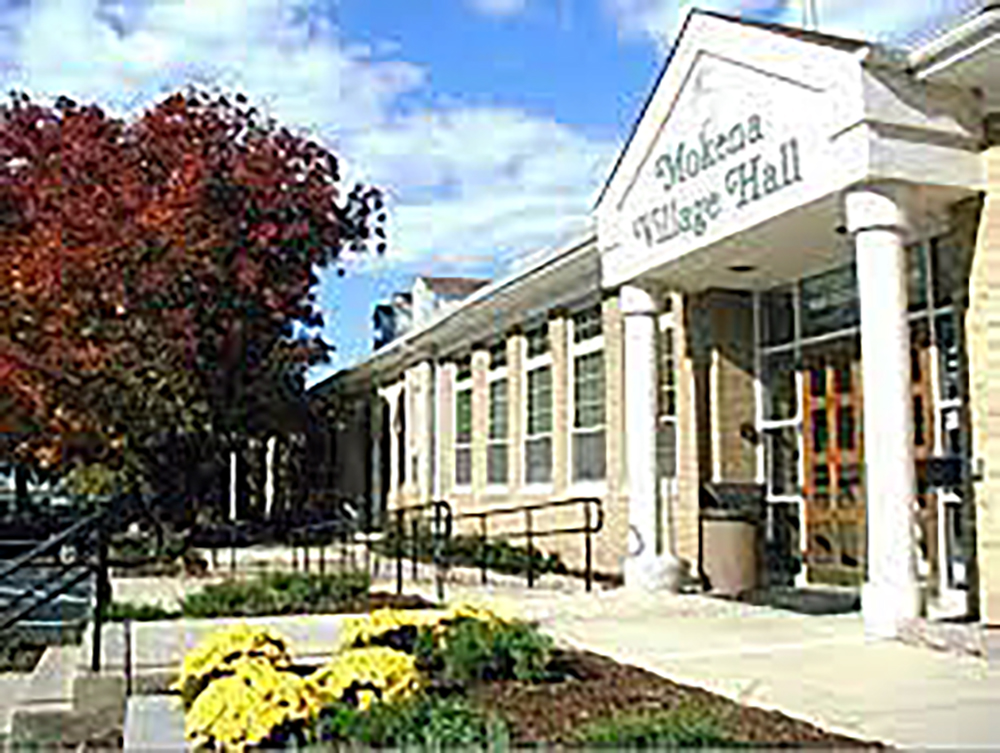
Mokena Dissolves Two Committees to Streamline Development Process

Mokena Police to Get New Axon In-Car Cameras in $176K Deal

Mokena Targets Invasive Callery Pear Trees for Removal
Meeting Briefs: Mokena Village Board for June 23, 2025
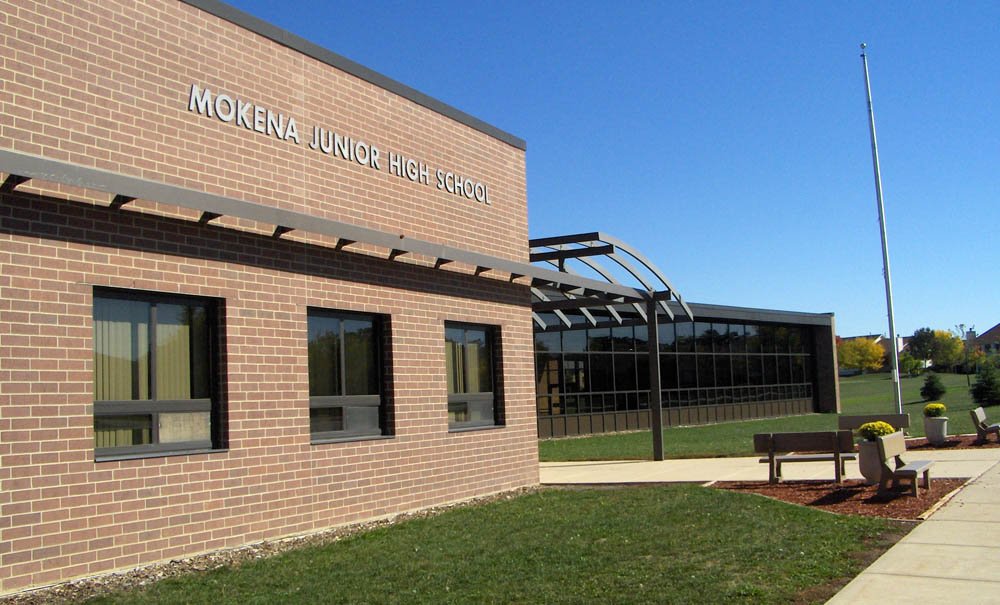
Mokena 159 Board Approves Amended Budget Amid Transparency, Deficit Concerns
Mokena 159 Board Signals Support for Recording Meetings After Public Push
District 159 Adopts ‘Wayfinder’ Program to Boost Middle Schoolers’ Social-Emotional Health